

Between massive fundraising rounds, high-spectacle professional league structures, and a real estate frenzy around courts, pickleball has established itself in just a few years as a juggernaut of the American sports economy. As the machine runs at full throttle across the Atlantic, the question of its expansion and integration model in Europe arises with increasing urgency.
American excess and the structuring of a golden market
The meteoric rise of pickleball in the United States is no longer just a recreational trend; it is a genuine financial engine. Driven by millions of players, surging franchise valuations, and massive capital injections from investment funds, the sector has professionalized at a breakneck pace. The creation of unified entities combining pro circuits, media platforms, and infrastructure management reflects a clear ambition to turn this momentum into a commercial empire. From TV broadcasting deals to major partnerships with mainstream brands, everything is designed to permanently embed the sport into the sports business landscape.
The European rollout challenge in the shadow of padel
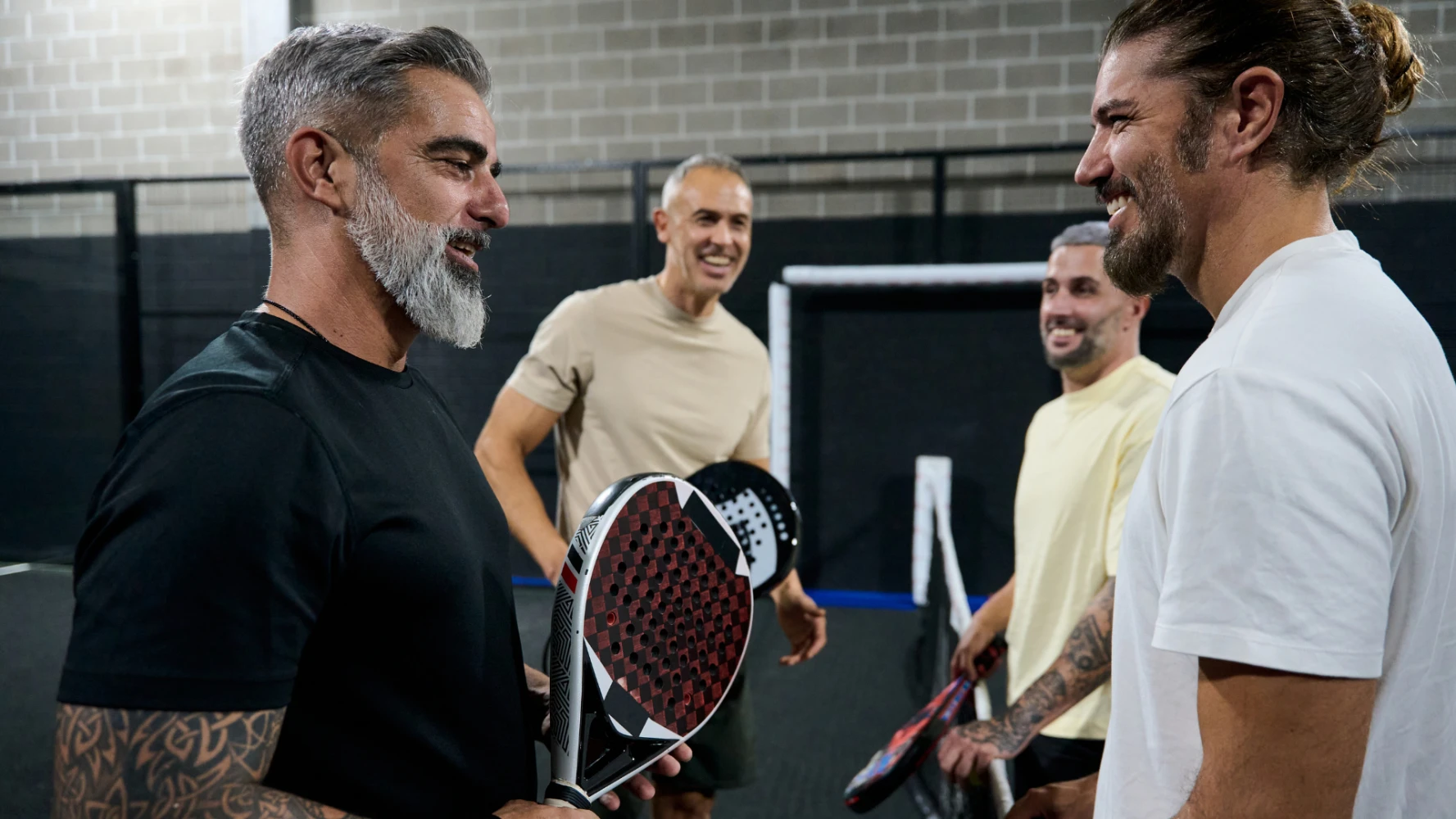
Unlike the US market, where an open field allowed for instant adoption, Europe approaches this wave with a racket sports landscape that is already highly structured. On the Old Continent, particularly in countries like Spain or France, padel has claimed the lion's share, capturing most private club investments and the attention of racket sports enthusiasts. To gain a foothold, pickleball cannot simply replicate the raw, off-the-shelf US model; it must find its own niche by leveraging small-footprint space optimization, intergenerational appeal, and immediate financial accessibility.
Between real estate frenzy and operator opportunities
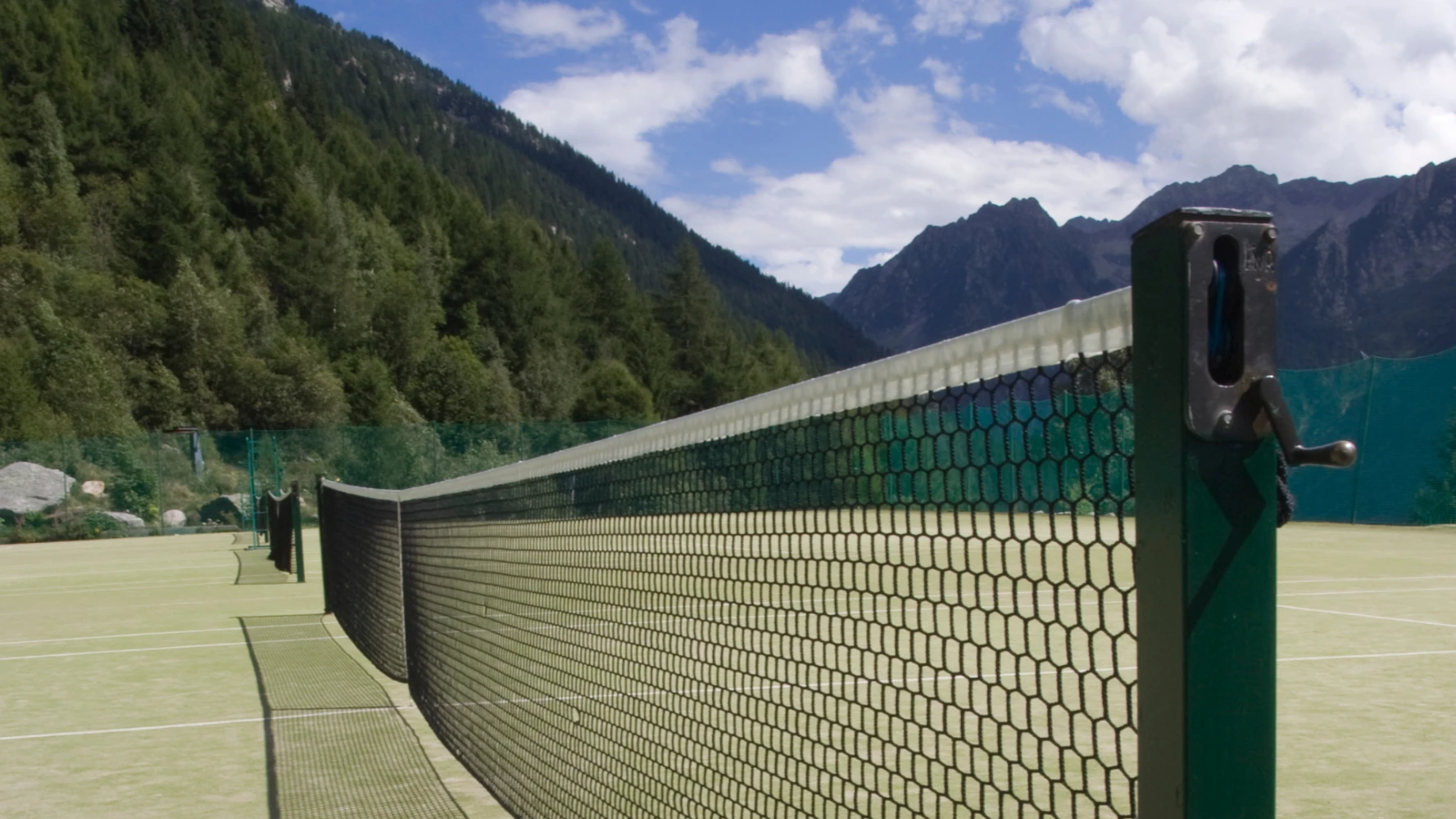
One of the key takeaways from the American model lies in infrastructure profitability and the repurposing of urban spaces or underutilized tennis courts. In Europe, sports facility operators and municipalities are beginning to see this discipline as a formidable economic alternative: modest installation costs, fast player turnover, and high demand for social play. While the American "pickleball-mania" still struggles to match padel fever, the gradual structuring of local tournaments and the arrival of specialized brands create fertile ground for bold investors ready to anticipate the trend. A story to watch closely!
Comments