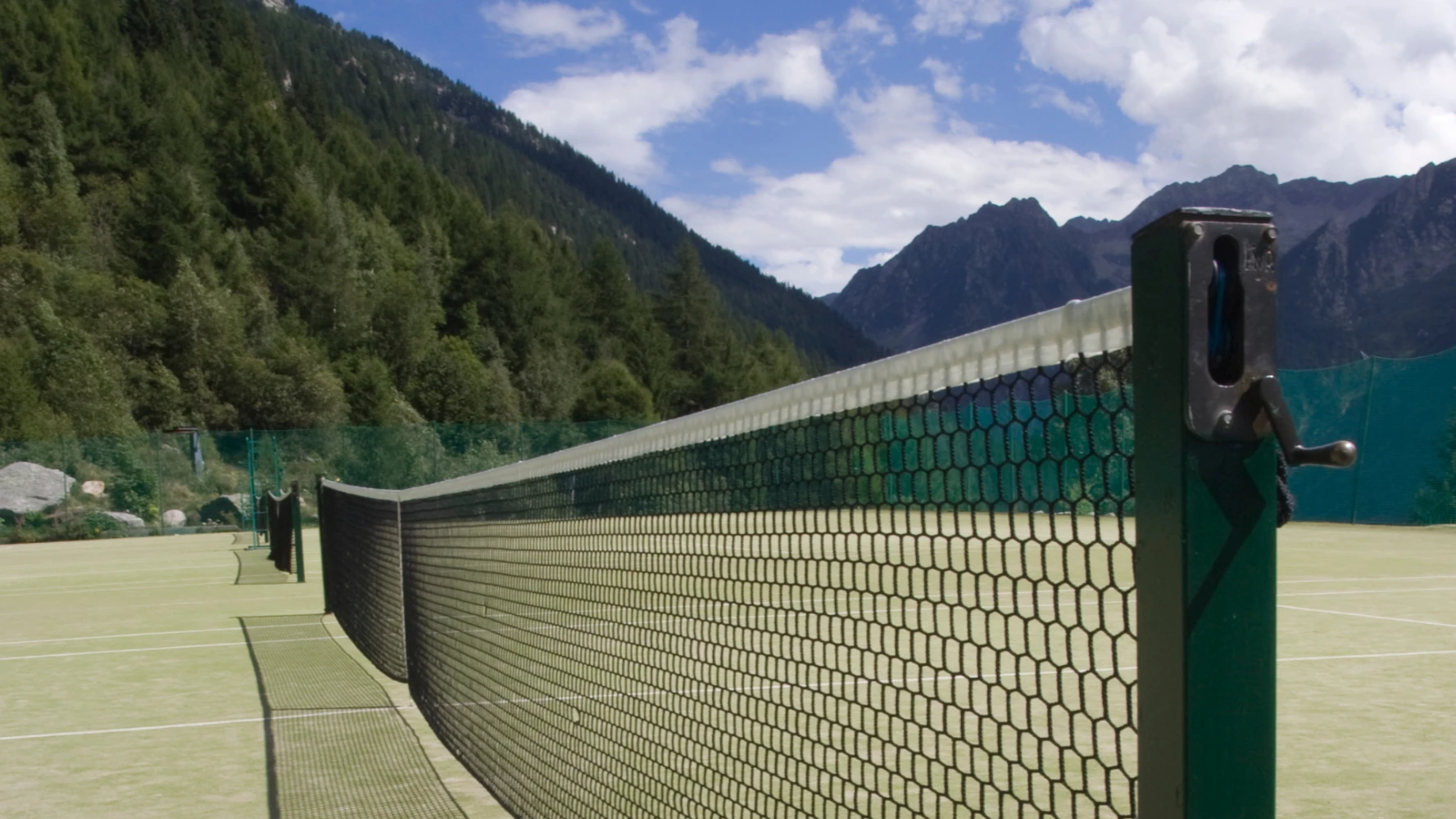
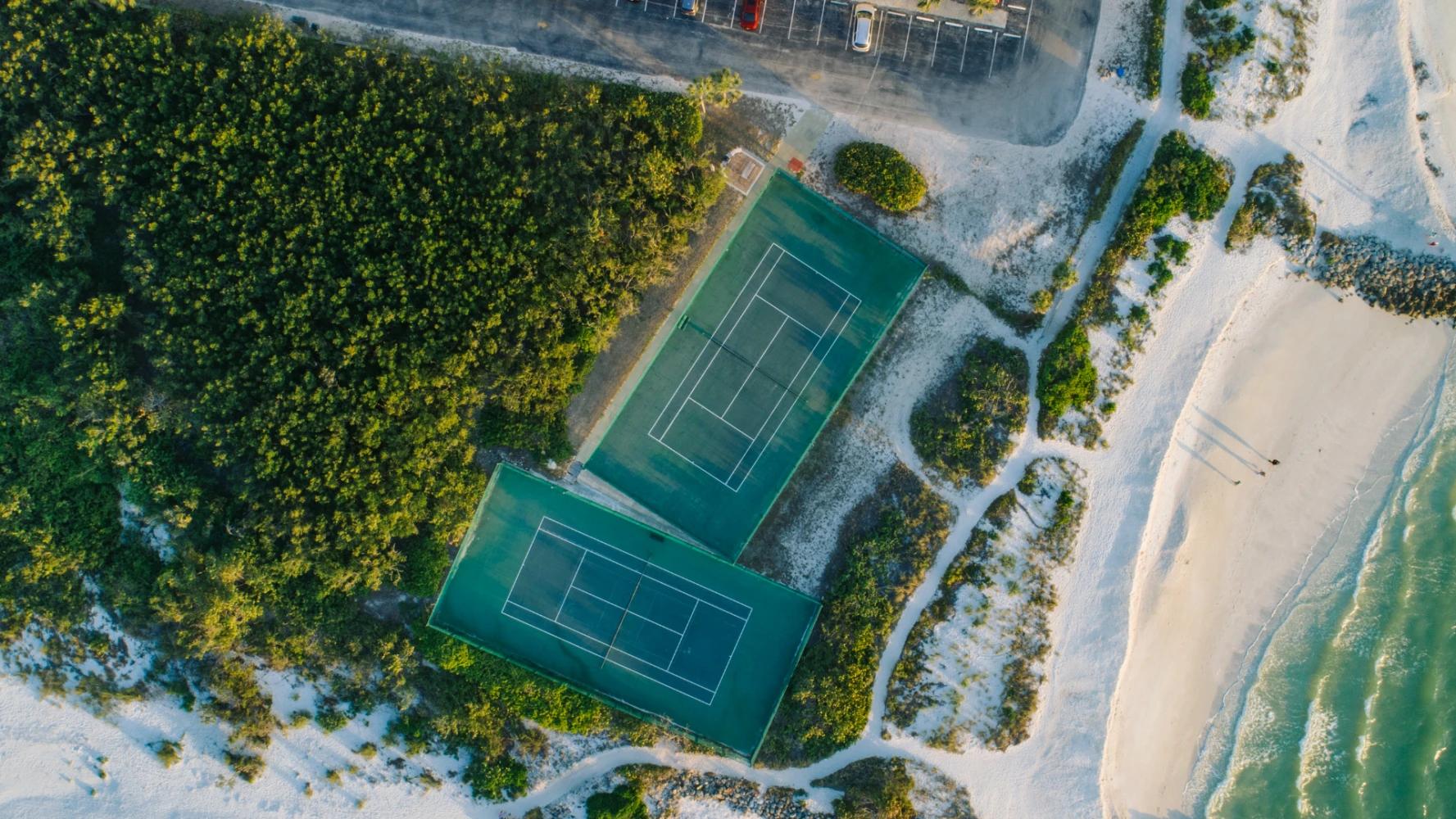
Playing tennis at high altitude, whether during a stay in the mountains or in elevated cities like Madrid, Bogota, or Mexico City, holds plenty of surprises. Under lower atmospheric pressure, usual reference points quickly vanish, turning every strike into an exercise in precision and adaptability.The impact of physics on flight pathsAt altitude, air density decreases, which significantly reduces the aerodynamic drag acting on the ball. As a result, balls travel much faster through the air and retain more speed after bouncing. In addition, the pressure differential between the inside of the ba
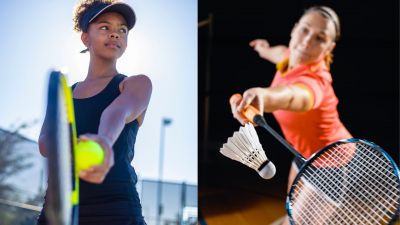
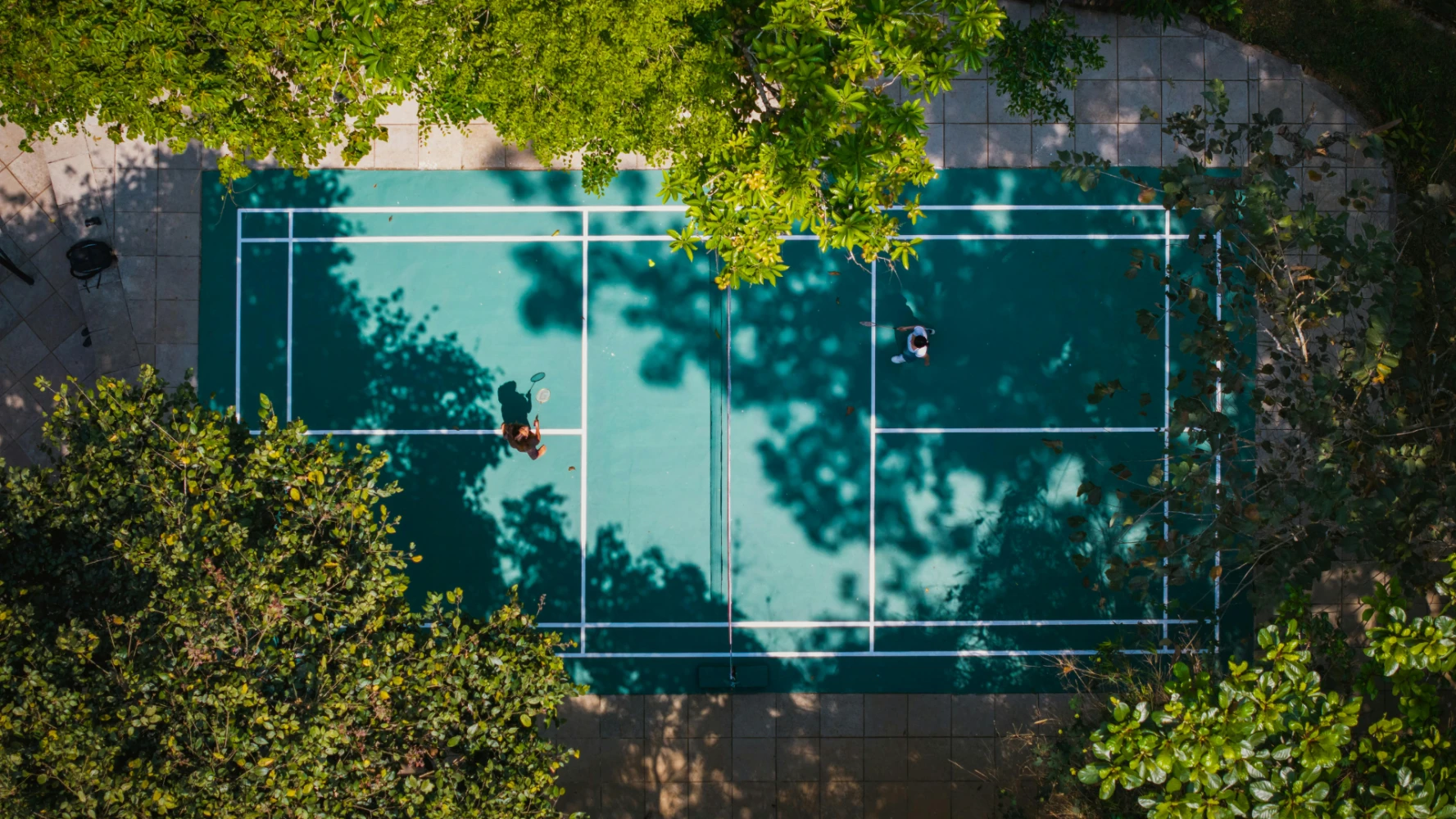
Long confined to indoor gyms because of the slightest breeze, badminton is finally breaking free from its four walls. Thanks to the emergence of AirBadminton and the development of a new kind of shuttlecock, the sport is becoming the perfect companion for travelers and racket sport enthusiasts looking for freedom.The AirShuttle: The innovation that defies the windAt the core of this transformation lies a major technical innovation: the AirShuttle. Designed by the Badminton World Federation (BWF), this profiled and denser plastic shuttlecock provides increased resistance to wind gusts up to 12
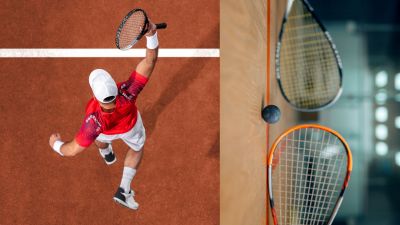
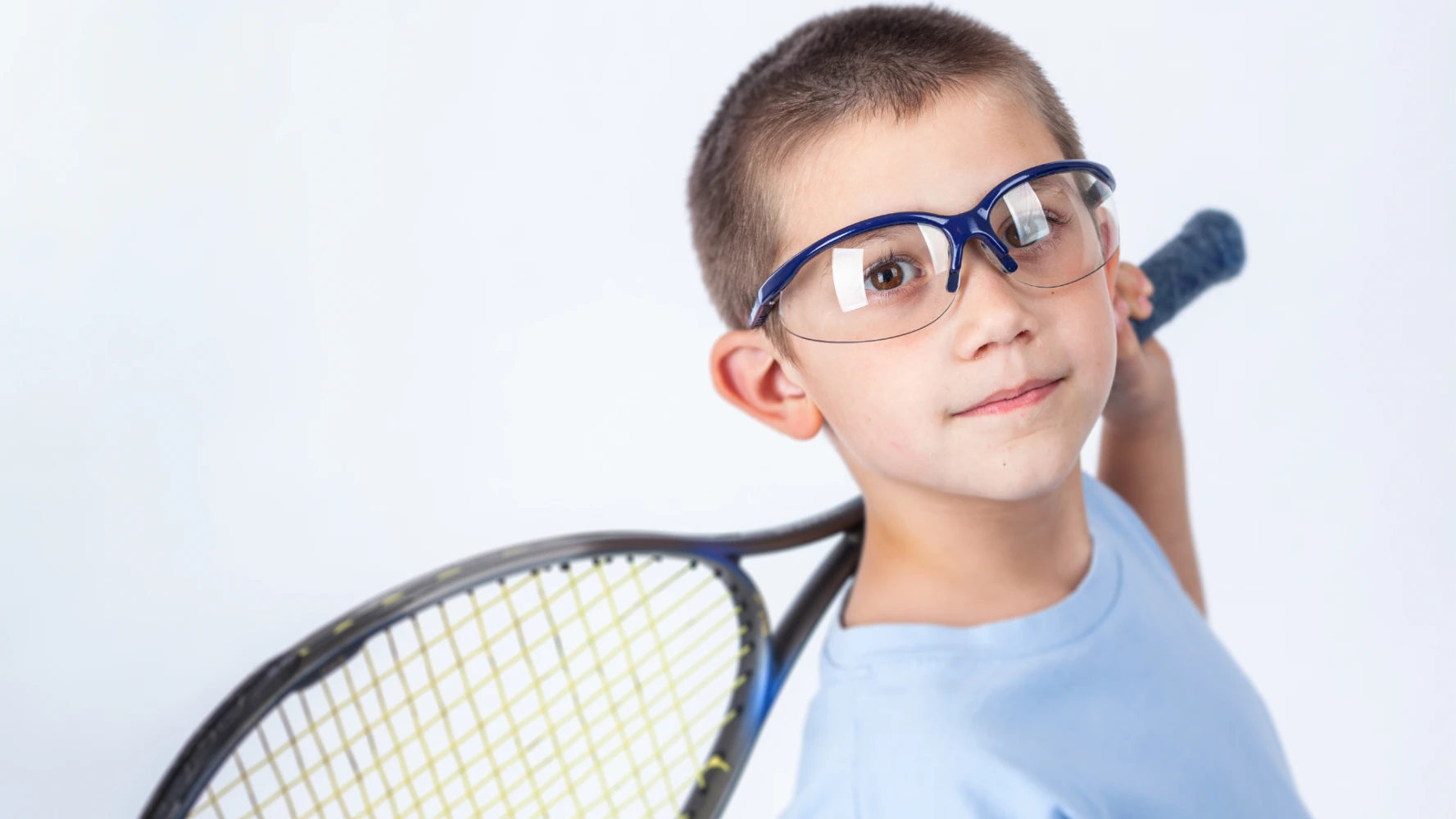
Among traditional extracurricular activities and the wave of new racket sports, squash sometimes remains an overlooked choice for younger players. Yet, far from the gloomy image of dark courts, this discipline offers an exceptional playground for children's physical and mental development.A complete and fun physical developmentContrary to popular belief, modern squash adapts perfectly to children thanks to lighter equipment and bouncier balls. On court, every rally stimulates agility, hand-eye coordination, and cardiovascular endurance. Quick footwork in a confined space turns effort into a ga
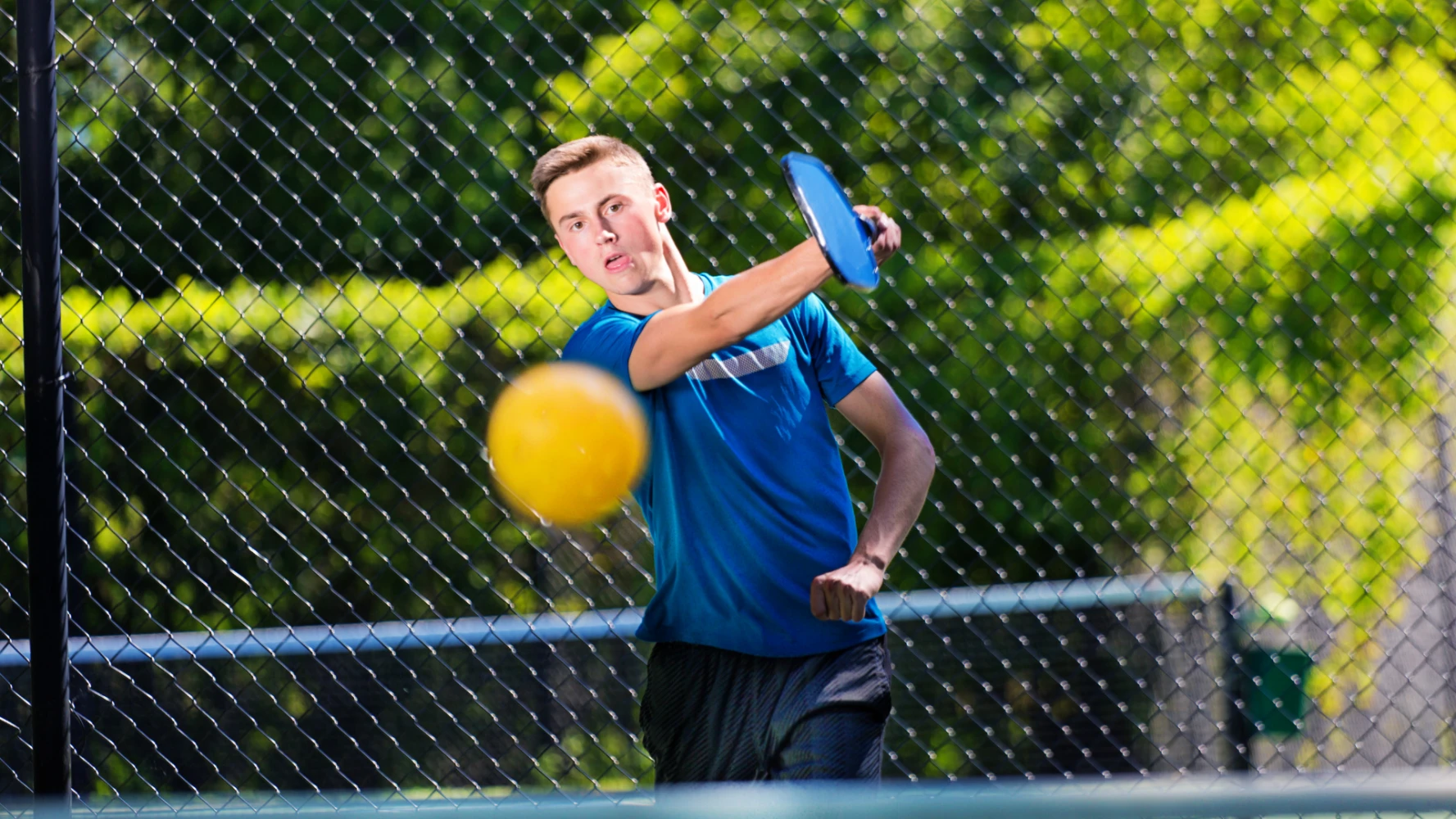
Between massive fundraising rounds, high-spectacle professional league structures, and a real estate frenzy around courts, pickleball has established itself in just a few years as a juggernaut of the American sports economy. As the machine runs at full throttle across the Atlantic, the question of its expansion and integration model in Europe arises with increasing urgency.American excess and the structuring of a golden marketThe meteoric rise of pickleball in the United States is no longer just a recreational trend; it is a genuine financial engine. Driven by millions of players, surging fran
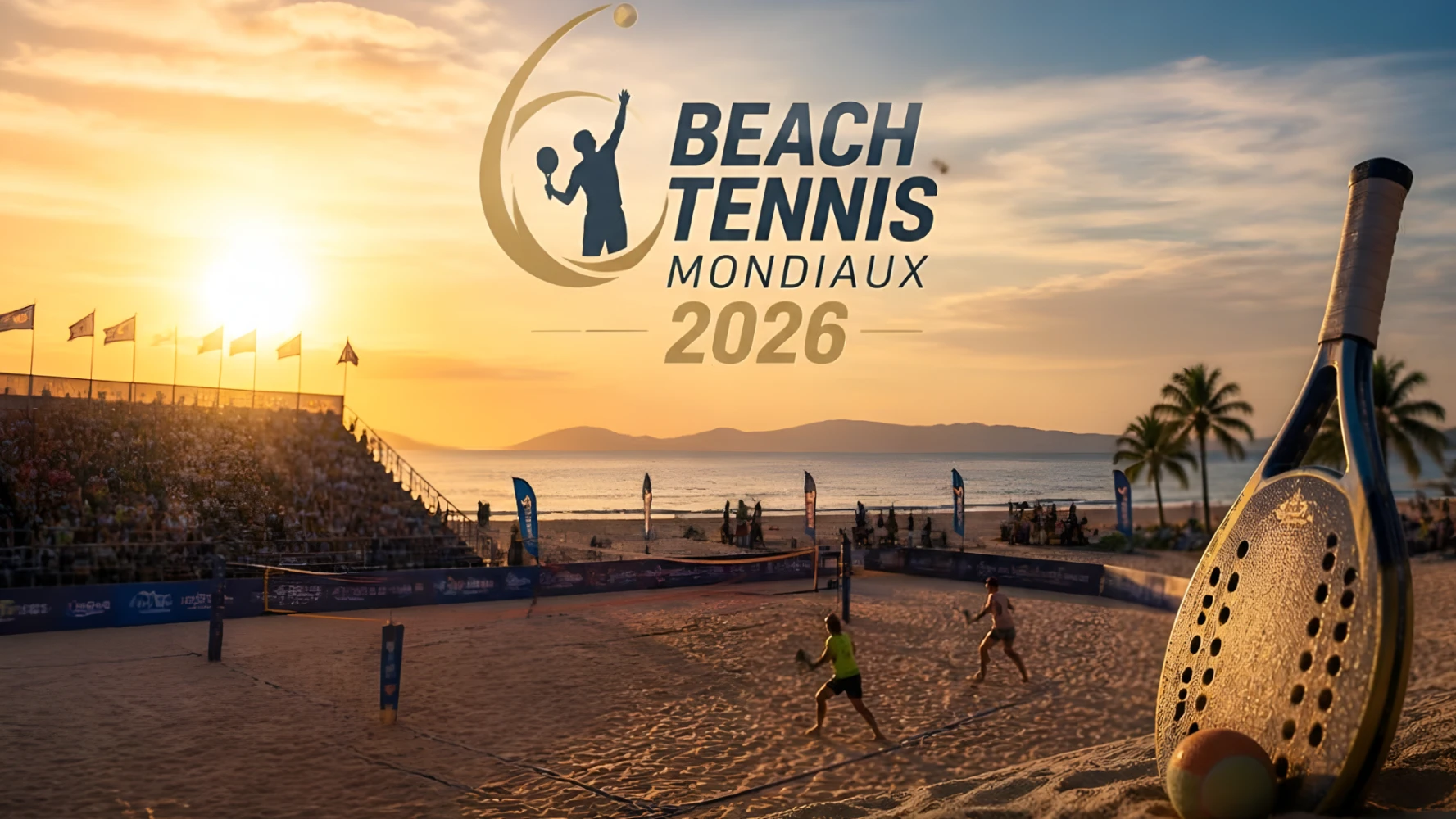
Between Europe's historic breakthrough against Brazilian hegemony and the crowning of new headline stars, the ITF Beach Tennis World Championships in Matosinhos completely reshuffled the deck in the sport.The European momentum and the end of a monopolyThere is no need to dwell on grand geopolitical analysis: Europe is establishing a permanent footprint on the sport's map and chipping away at Brazil's dominance. Relocating the ITF World Championships to Matosinhos, on Portugal's northern coast, served as a true eye-opener. By breaking free from traditional strongholds to set up on the Atlantic
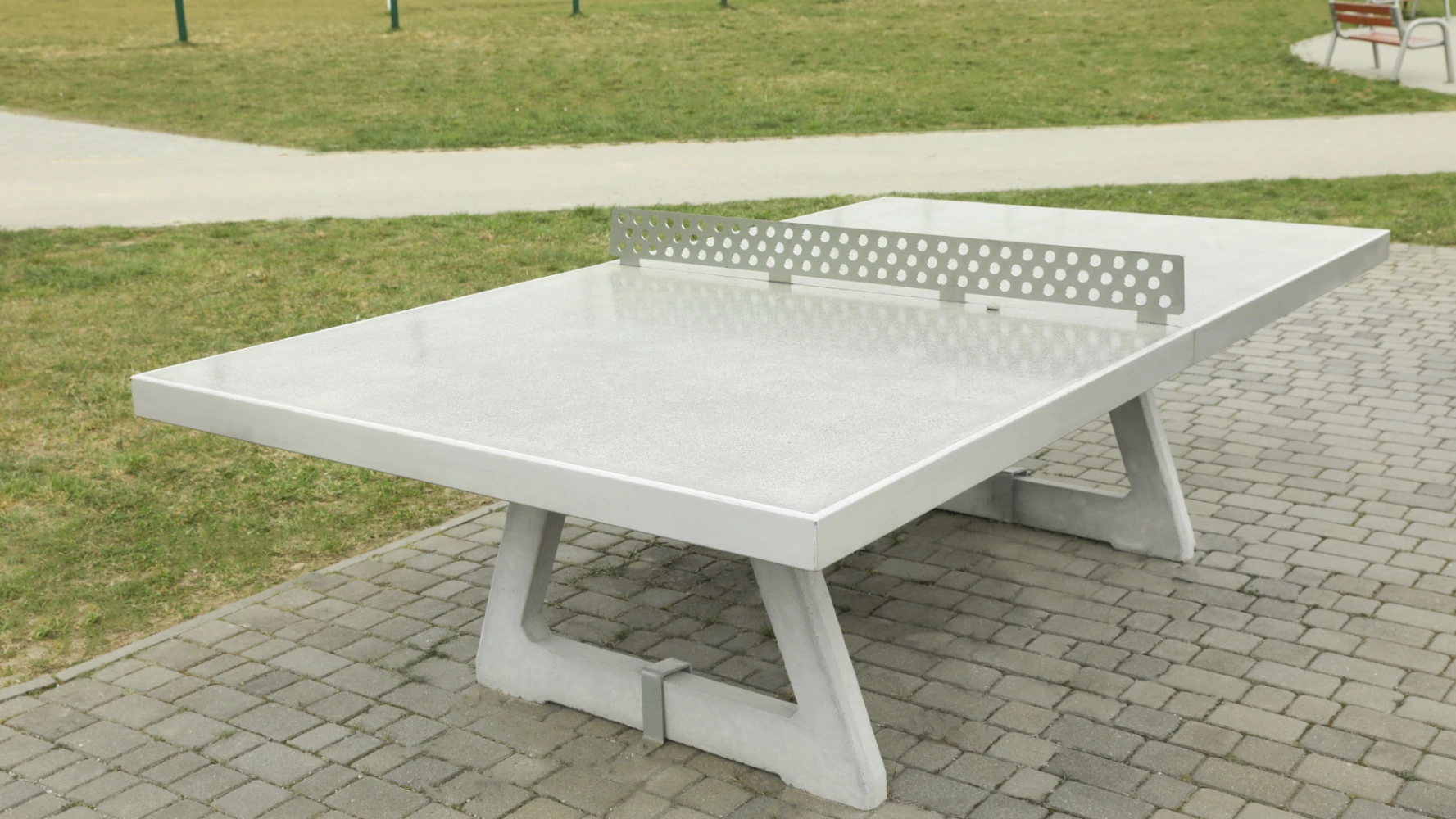
Table tennis sometimes suffers from a somewhat austere image: fluorescent gym lights, squeaking shoes, and tournaments governed by strict rules. Yet, there is another side to ping-pong that is far more vibrant, nomadic, and rooted in popular culture: street ping-pong. As soon as the warm weather returns, urban parks, neighborhood squares, and waterfronts transform into open-air arenas for an entirely laid-back version of the game.The concrete table: The ultimate piece of urban furnitureThe very essence of street ping-pong lies in its playground: those iconic, indestructible concrete tables anc
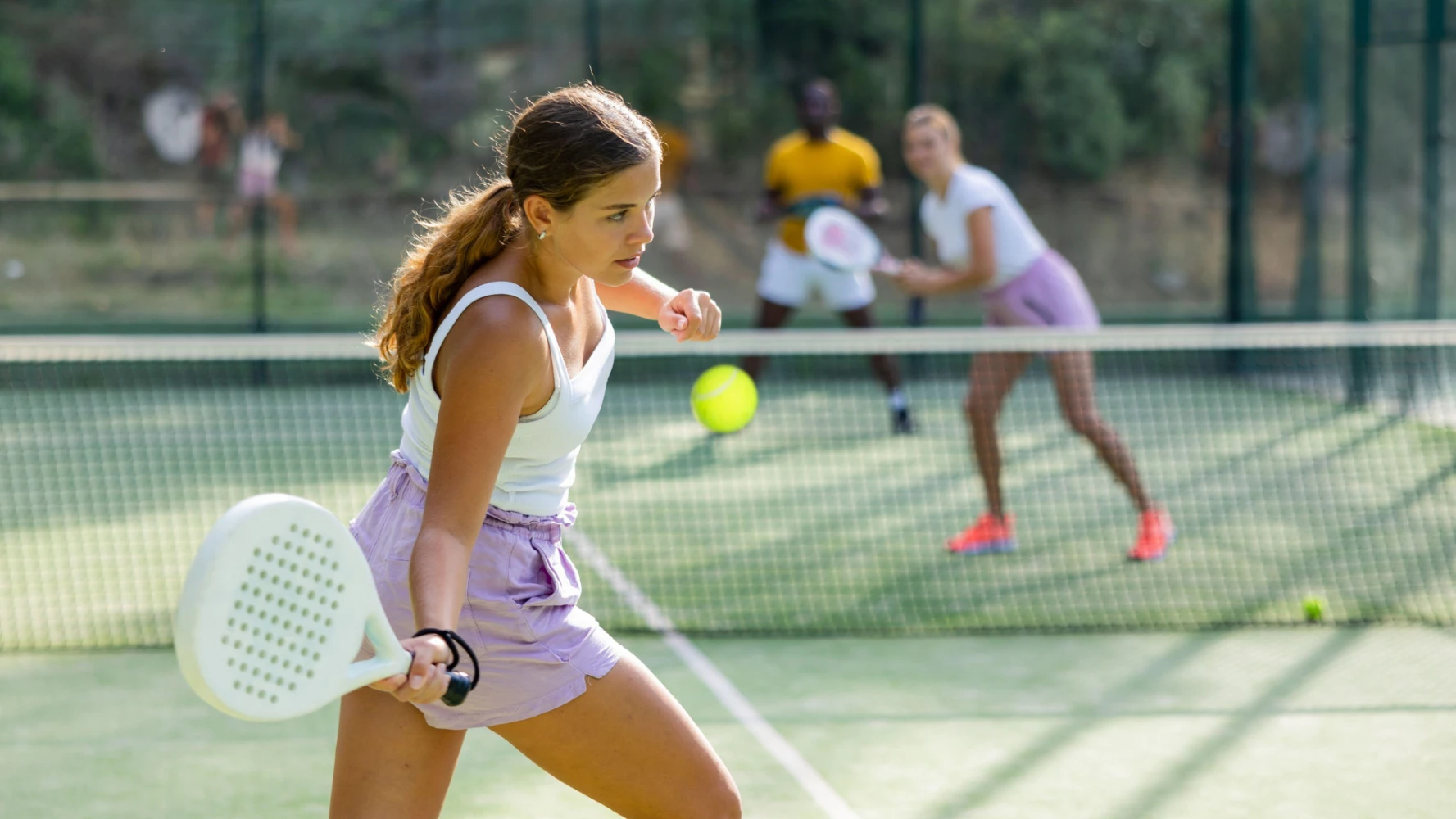
When discussing elite padel, public imagination naturally jumps to spectacular highlights from the men's circuit: power smashes jumping out of the court, airborne athletes covering every inch, and explosive rallies. However, by trying too hard to emulate this raw power, amateur players frequently make a fundamental error. True padel—rooted in rally building, spatial geometry, and patience—paradoxically finds its purest and most educational form on the women's tour.The illusion of power: The trap of the men's modelOn the men's side, extraordinary athleticism and pure power have turned much of t
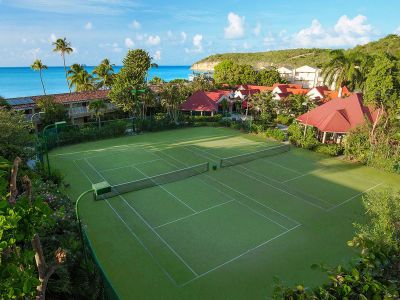
Sports tourism is undergoing a profound transformation. For many tennis enthusiasts, holidays are no longer just about lounging on the beach or simple sight-seeing. The trend is toward immersion: unpacking at a high-end resort or an international academy to enjoy an intensive getaway, racket in hand.Temples of training: Train like a proThe main draw of these stays lies in access to cutting-edge facilities and training methodologies drawn directly from the professional circuit.Academy immersion: Facilities like the Rafa Nadal Academy in Mallorca or the Mouratoglou Resort on the French Riviera a