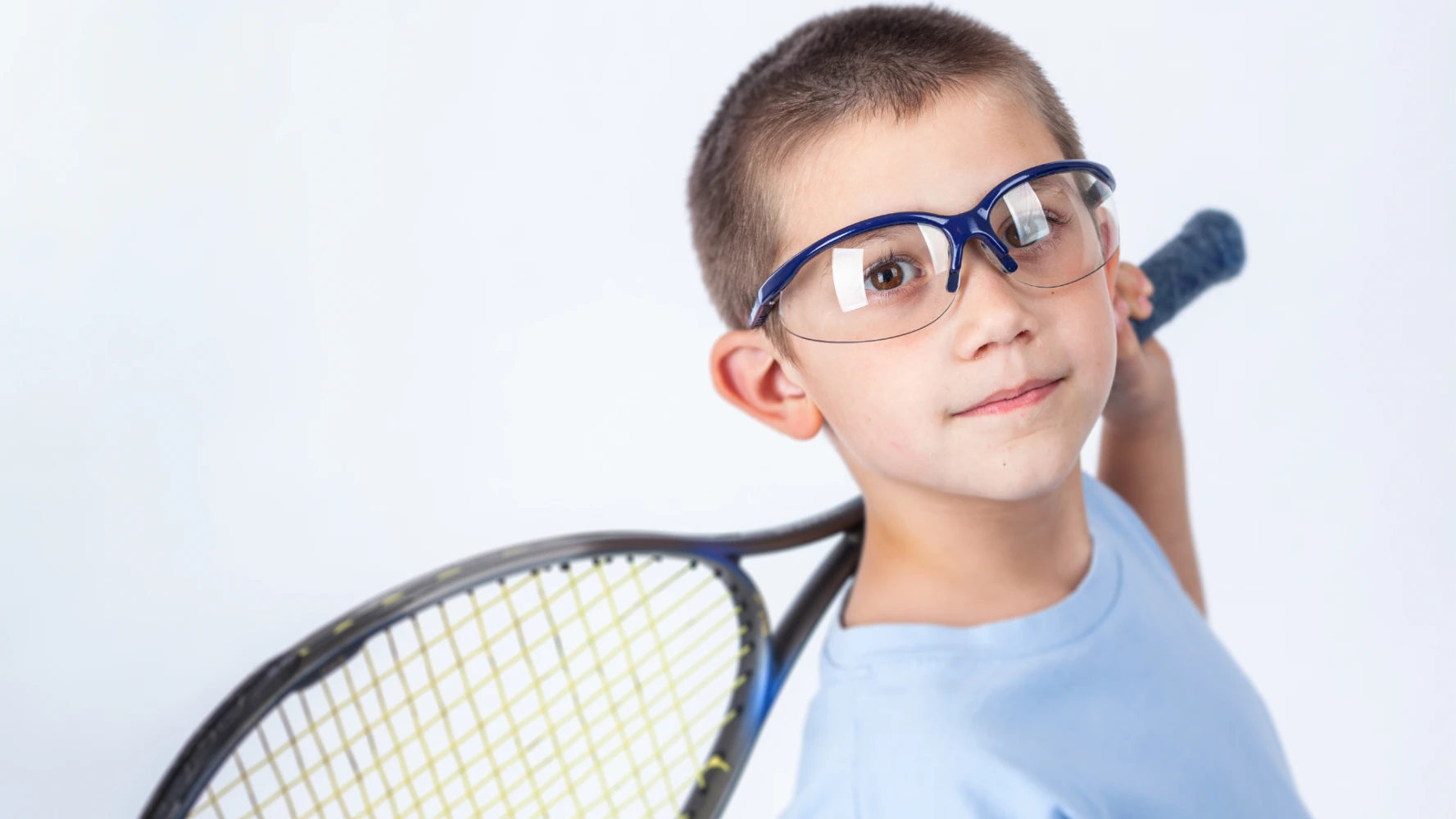
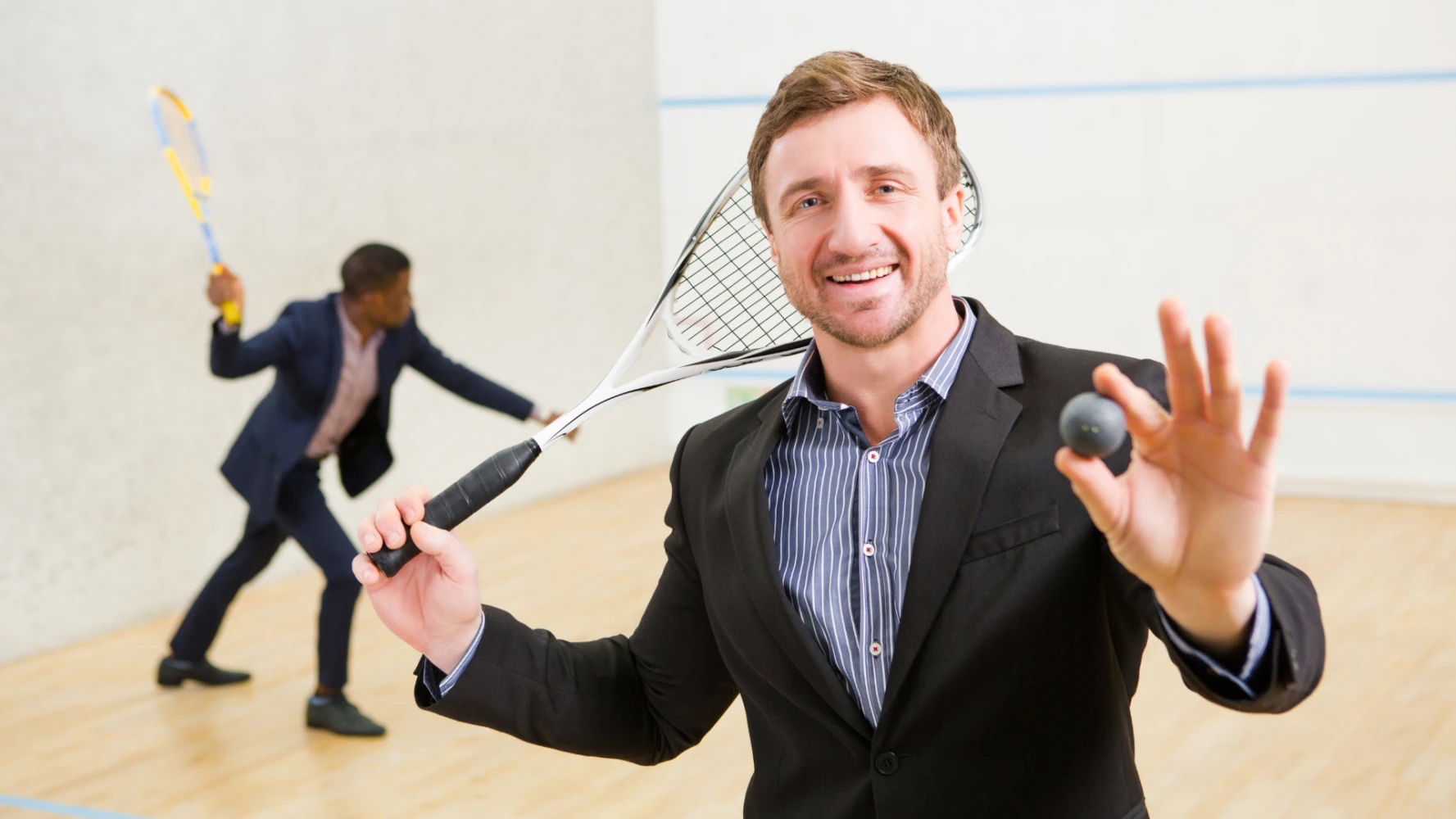
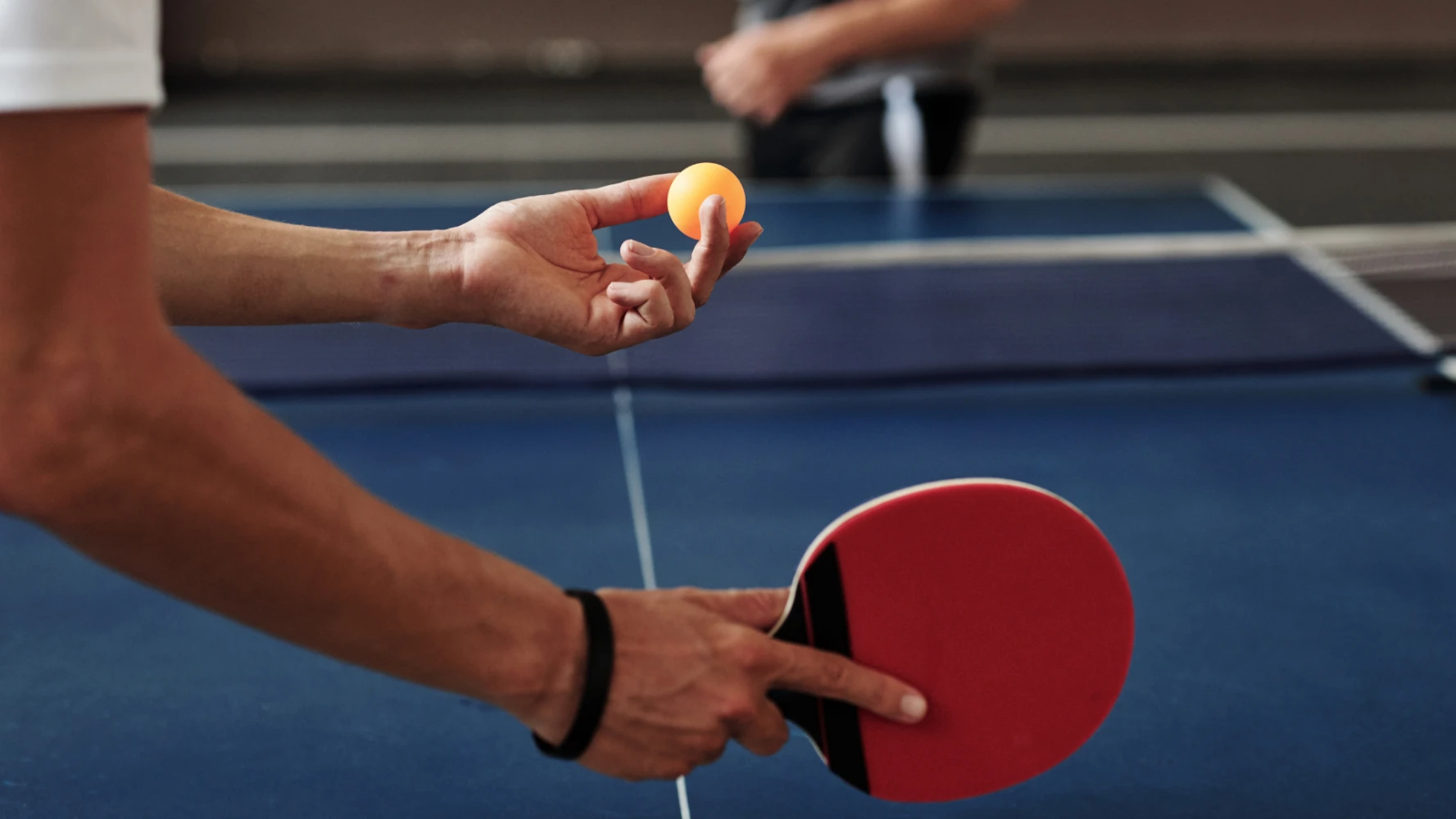
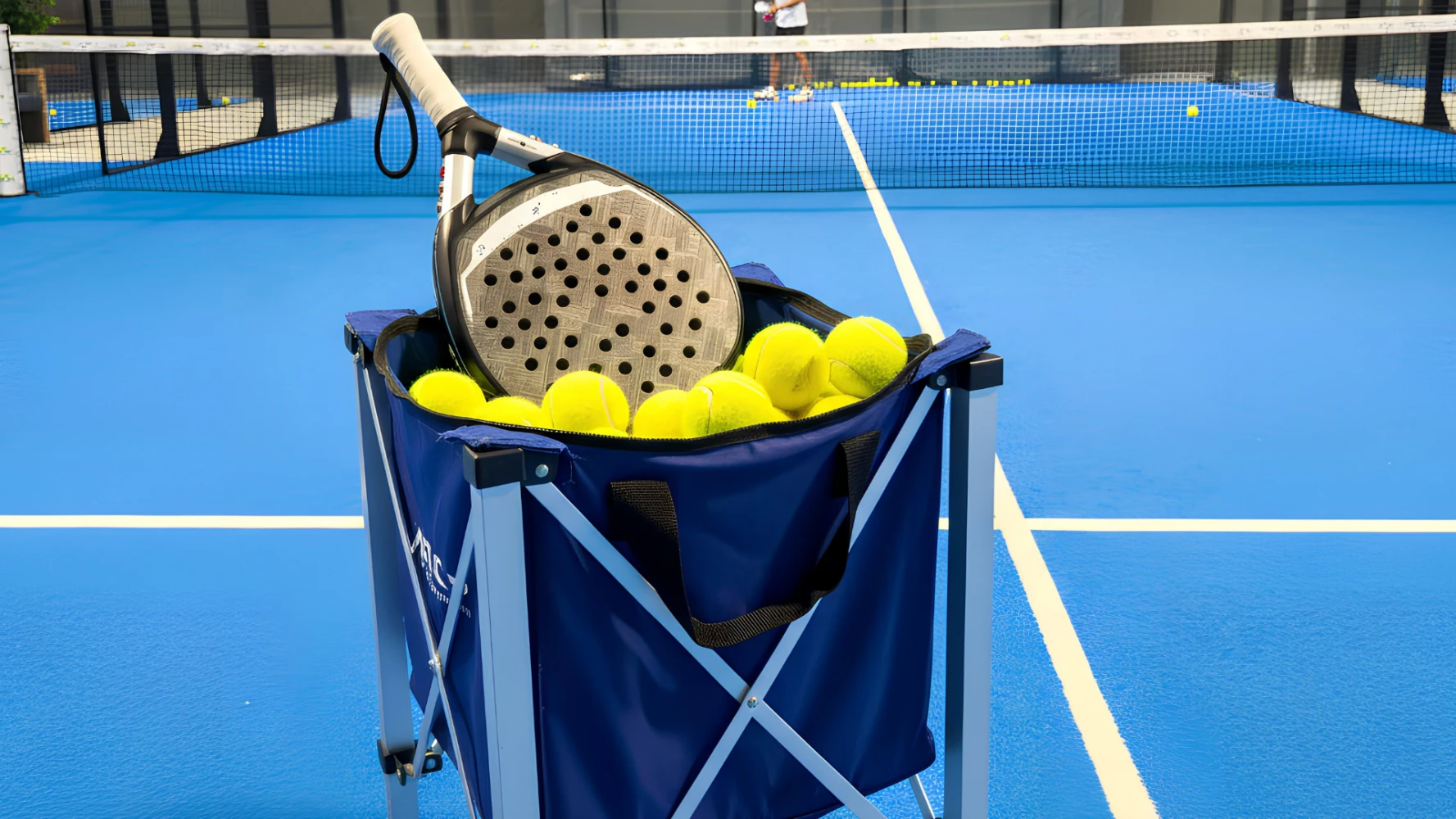
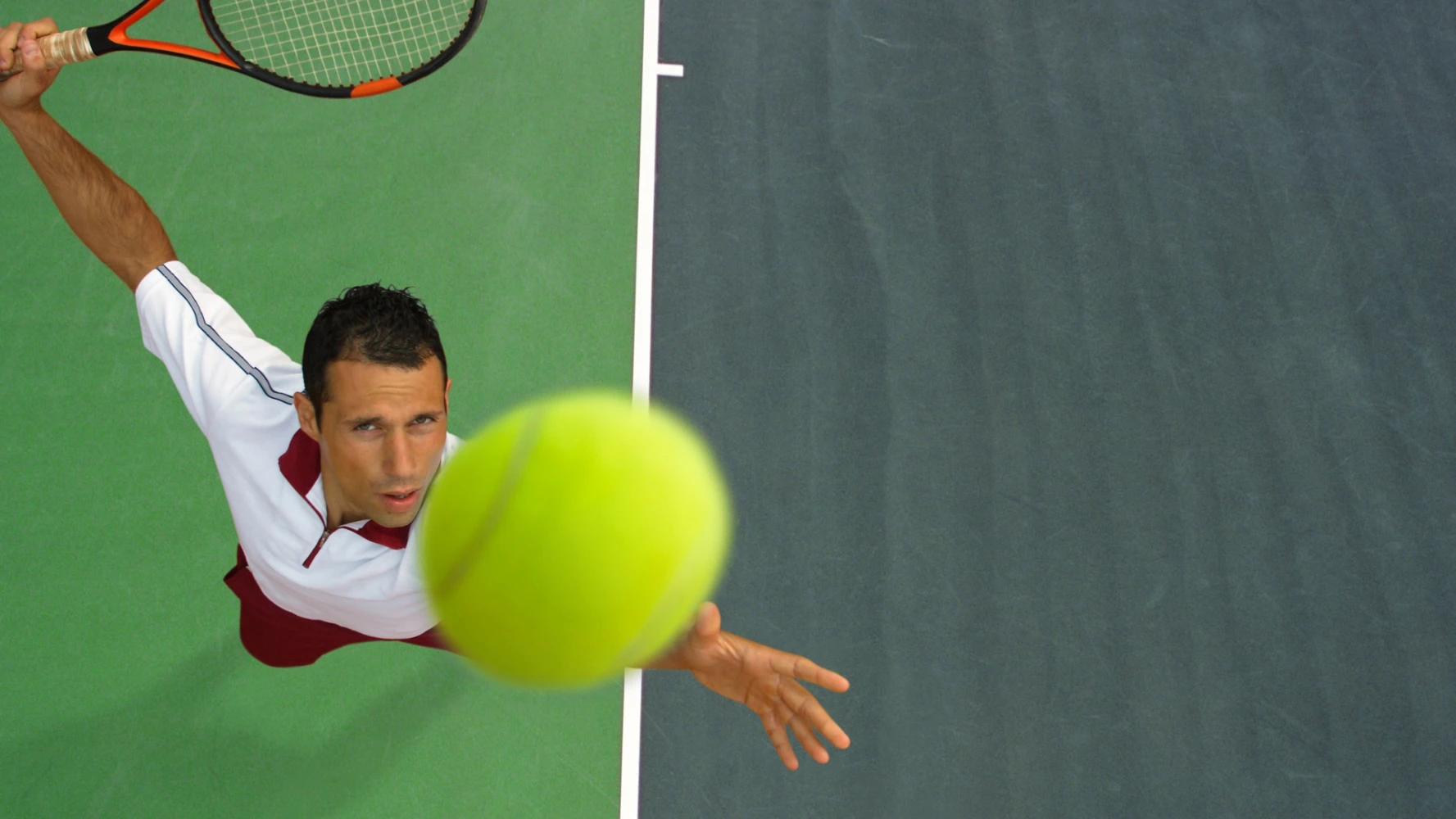
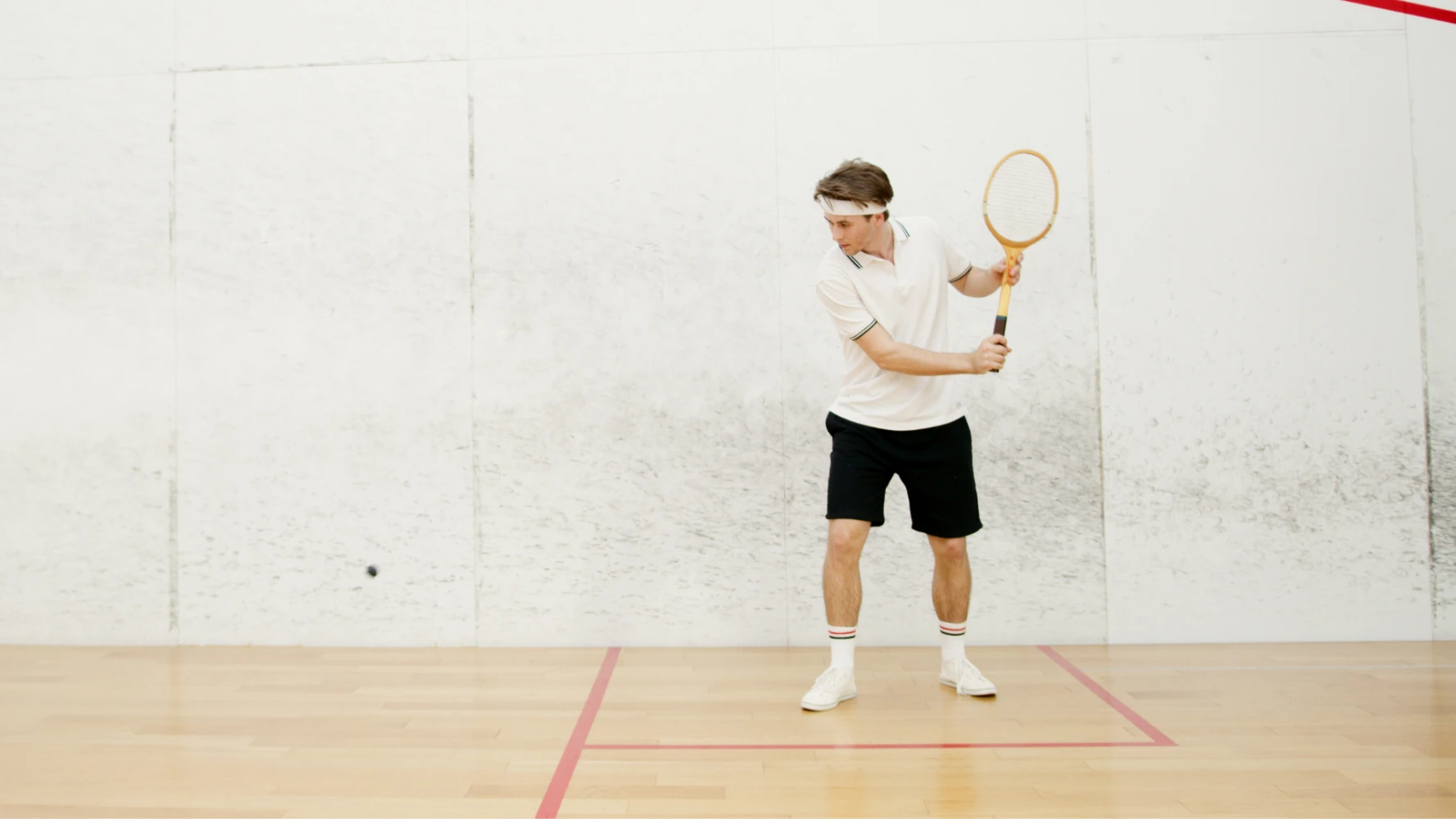
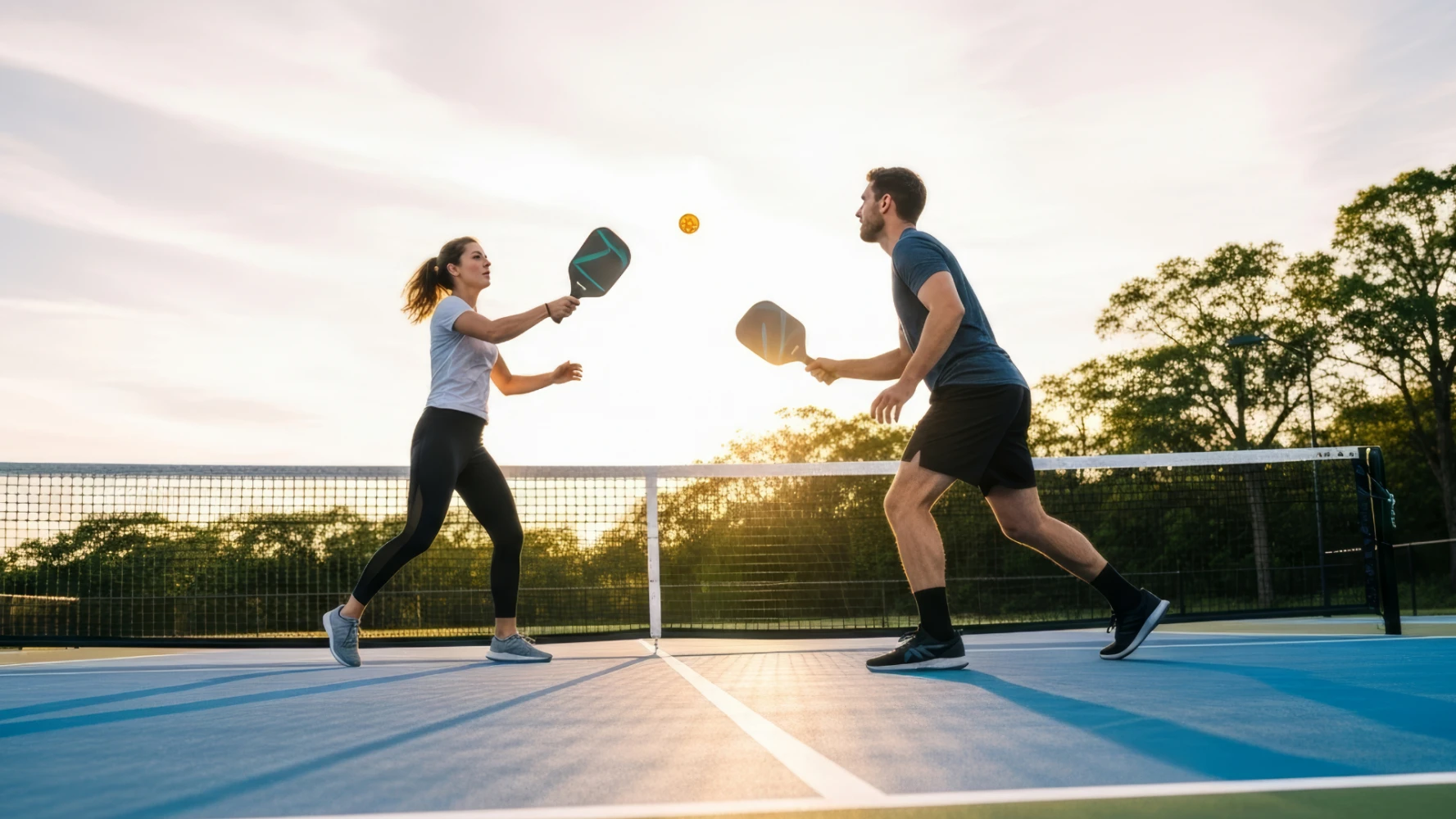
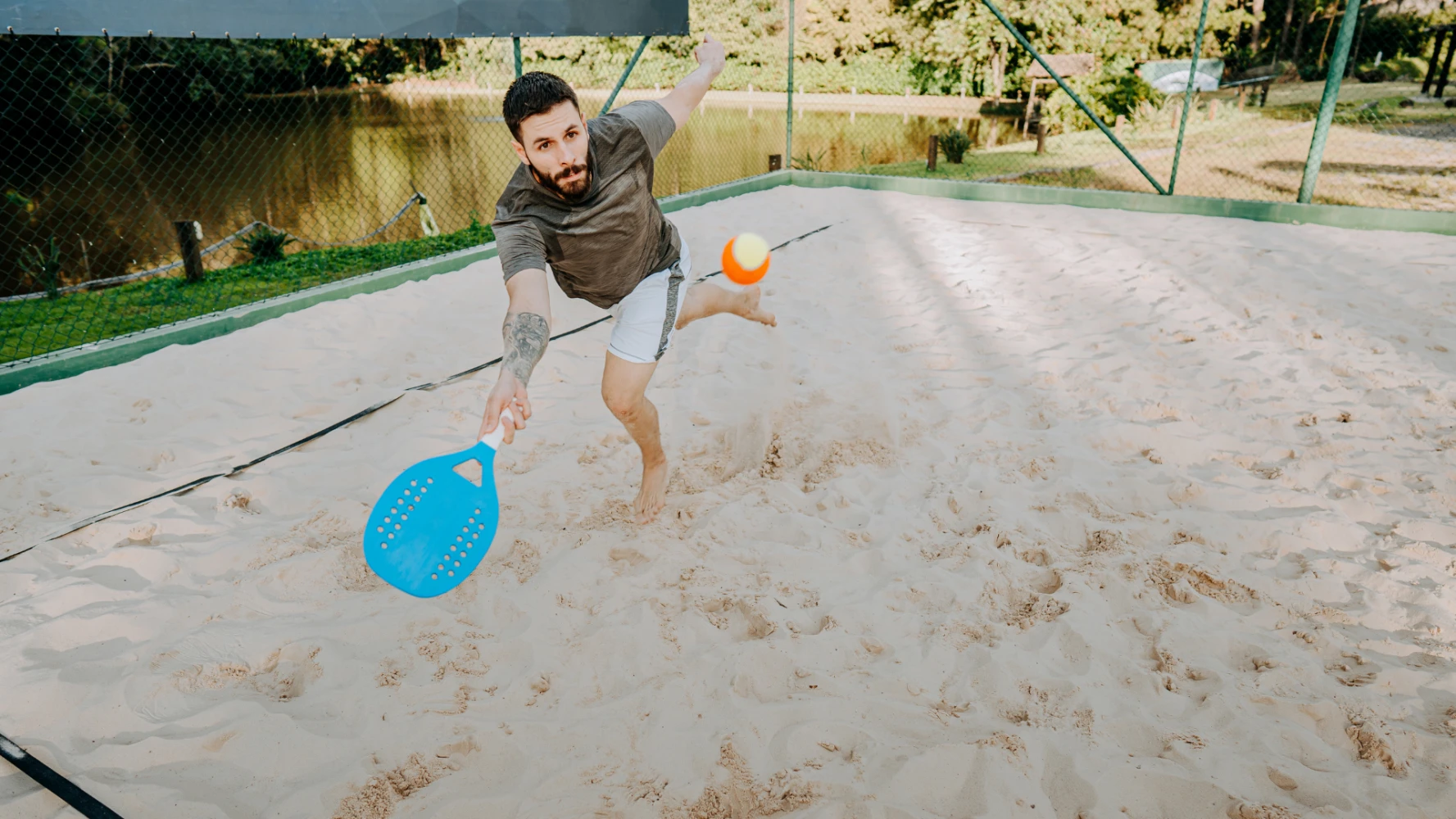
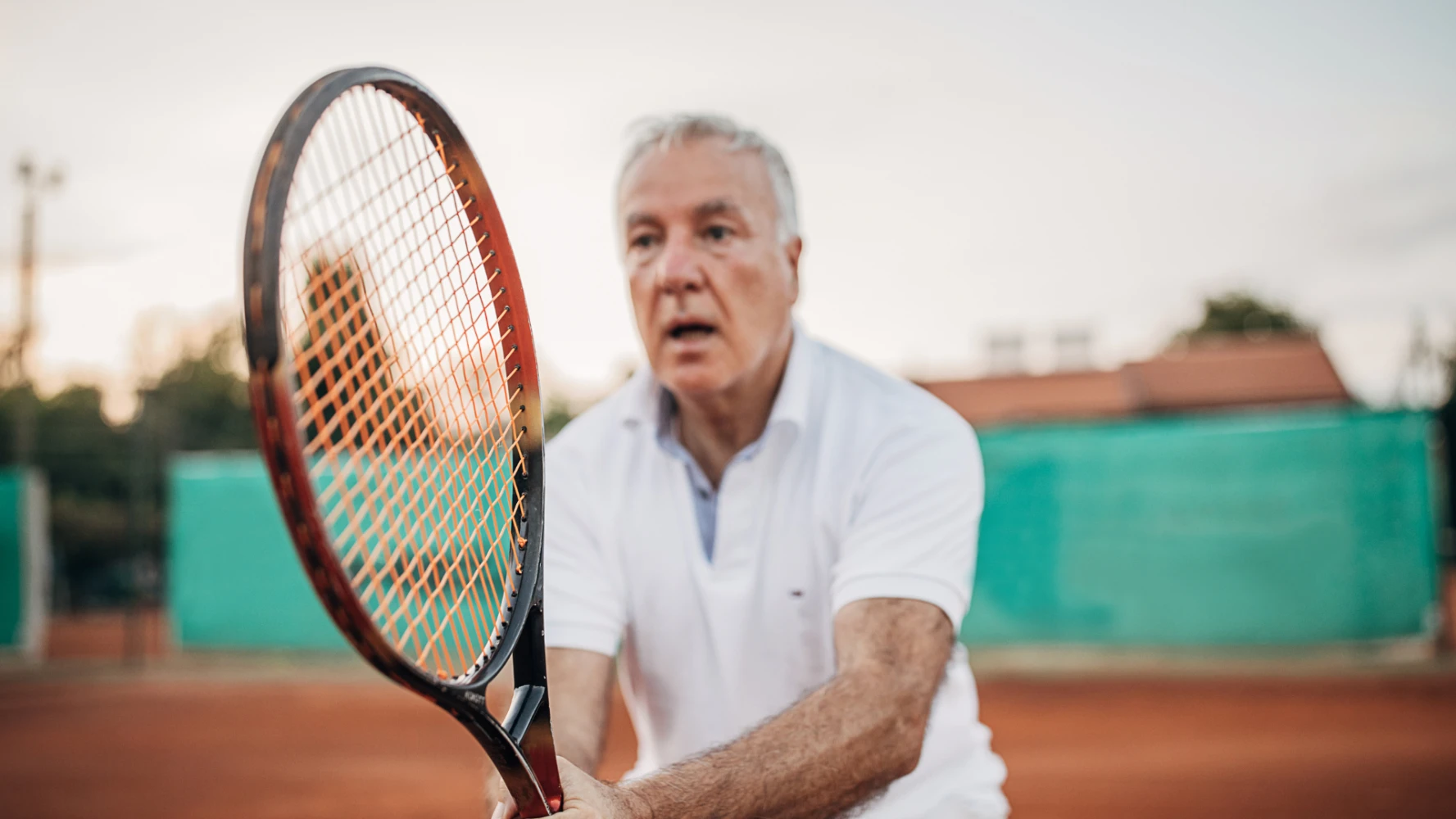
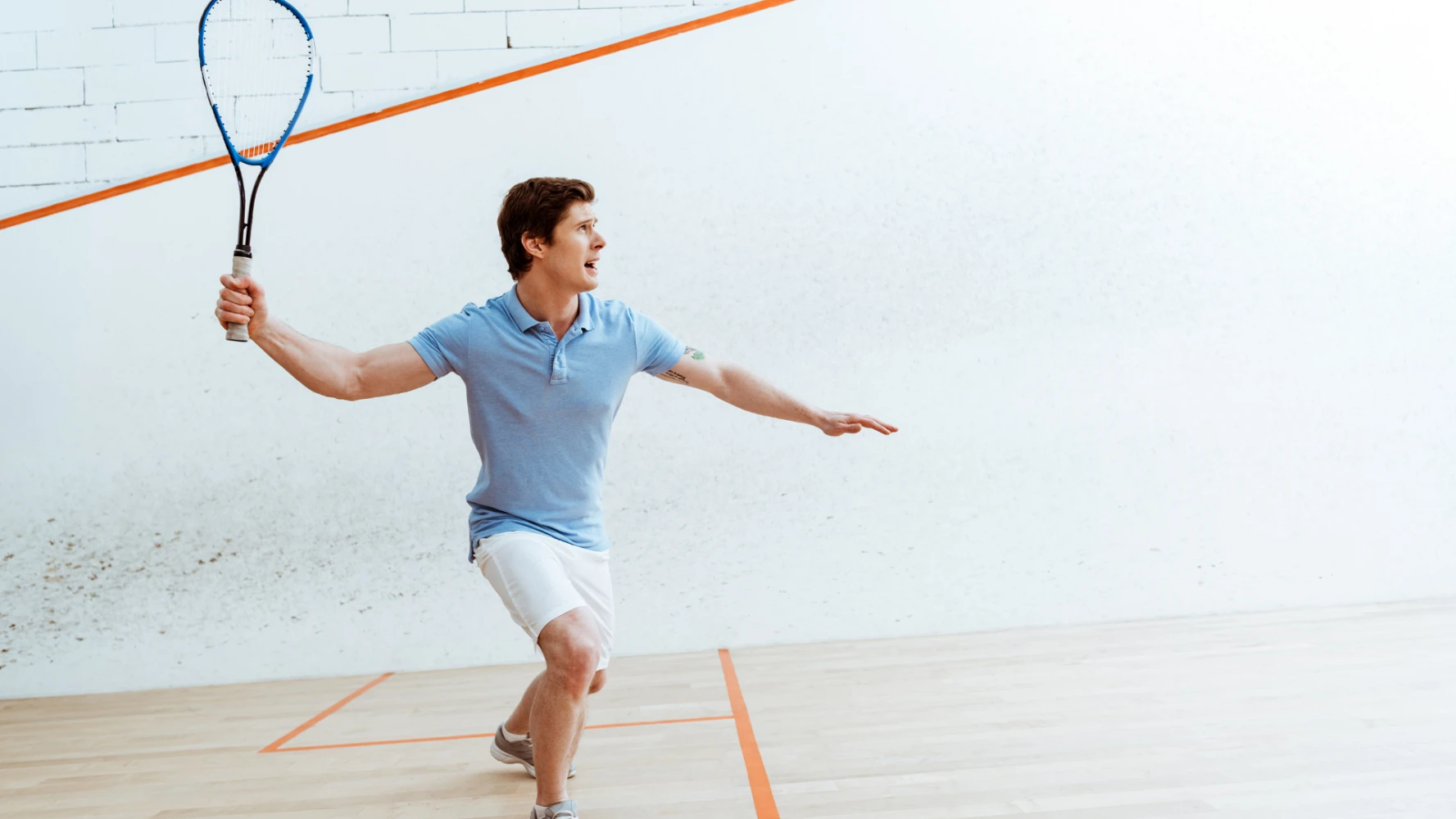
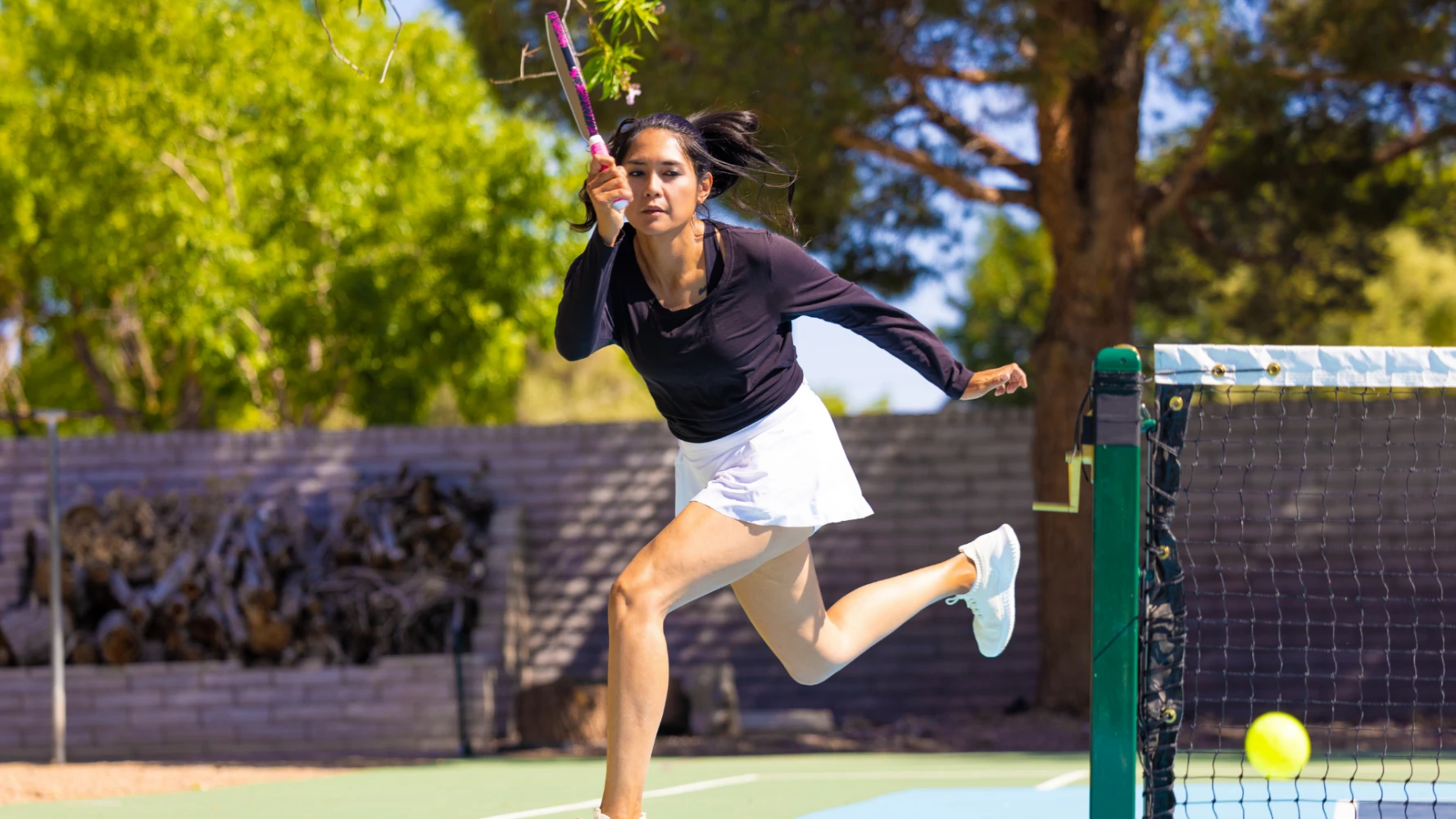
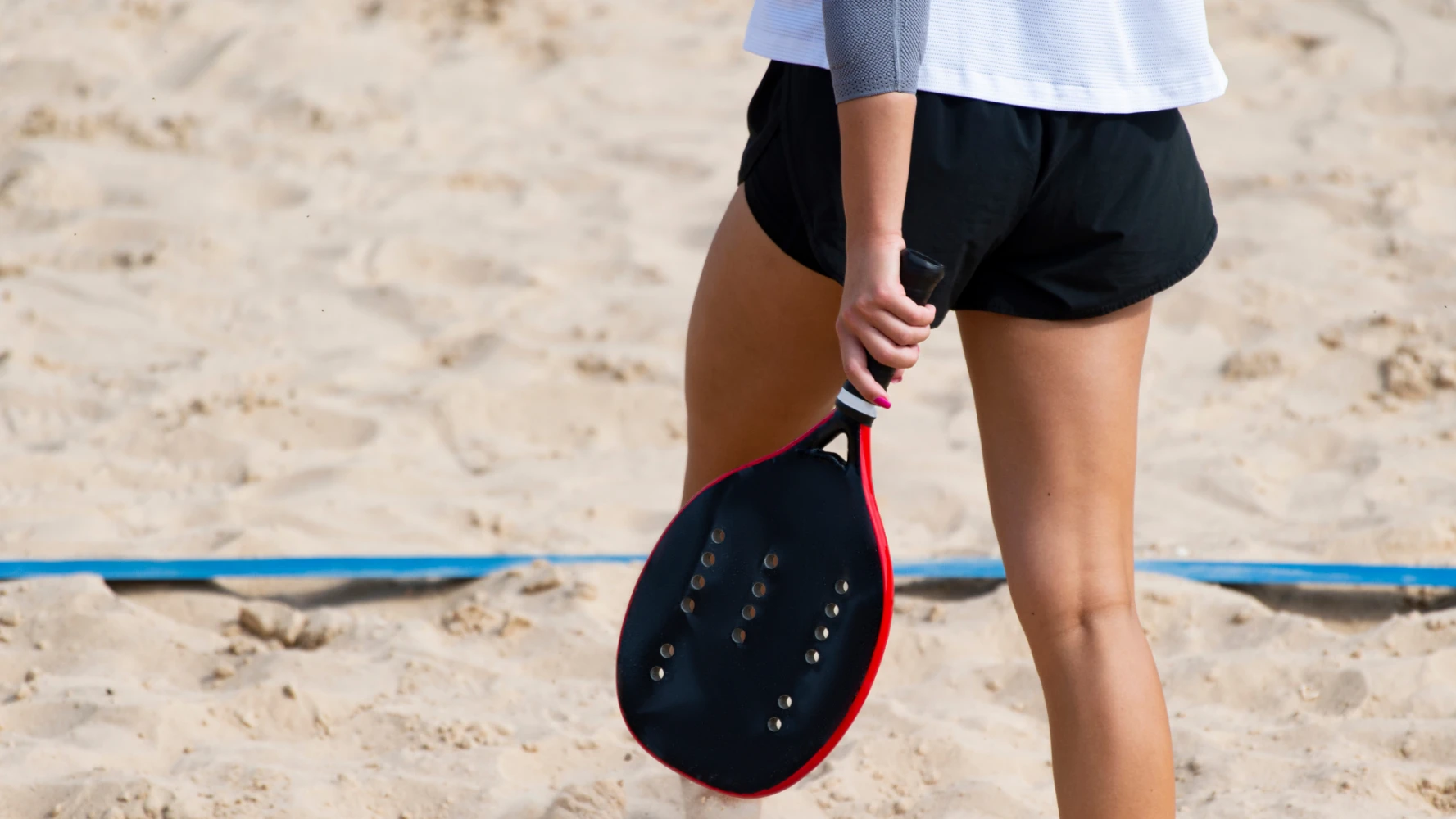
Among traditional extracurricular activities and the wave of new racket sports, squash sometimes remains an overlooked choice for younger players. Yet, far from the gloomy image of dark courts, this discipline offers an exceptional playground for children's physical and mental development.A complete and fun physical developmentContrary to popular belief, modern squash adapts perfectly to children thanks to lighter equipment and bouncier balls. On court, every rally stimulates agility, hand-eye coordination, and cardiovascular endurance. Quick footwork in a confined space turns effort into a ga
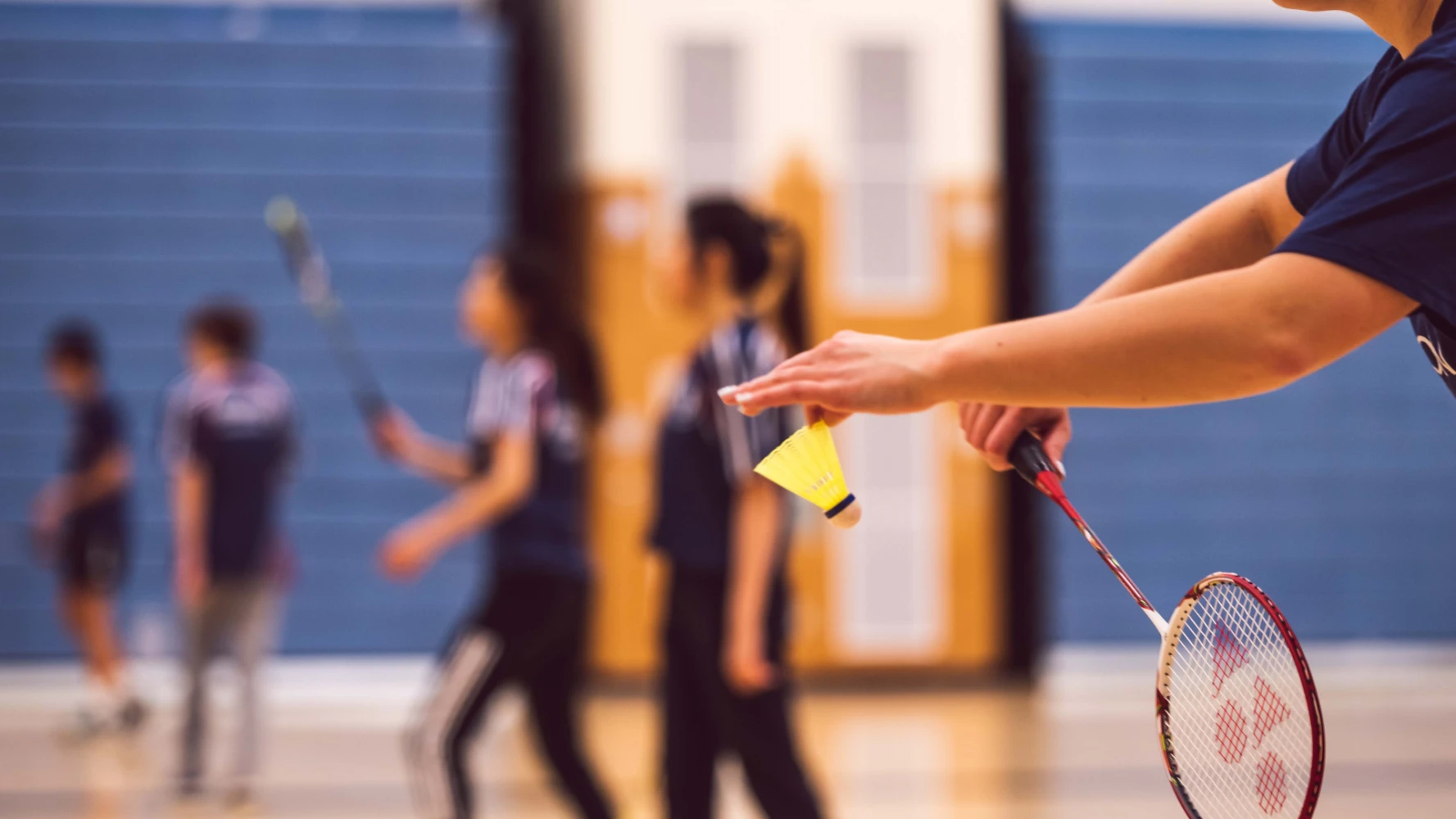
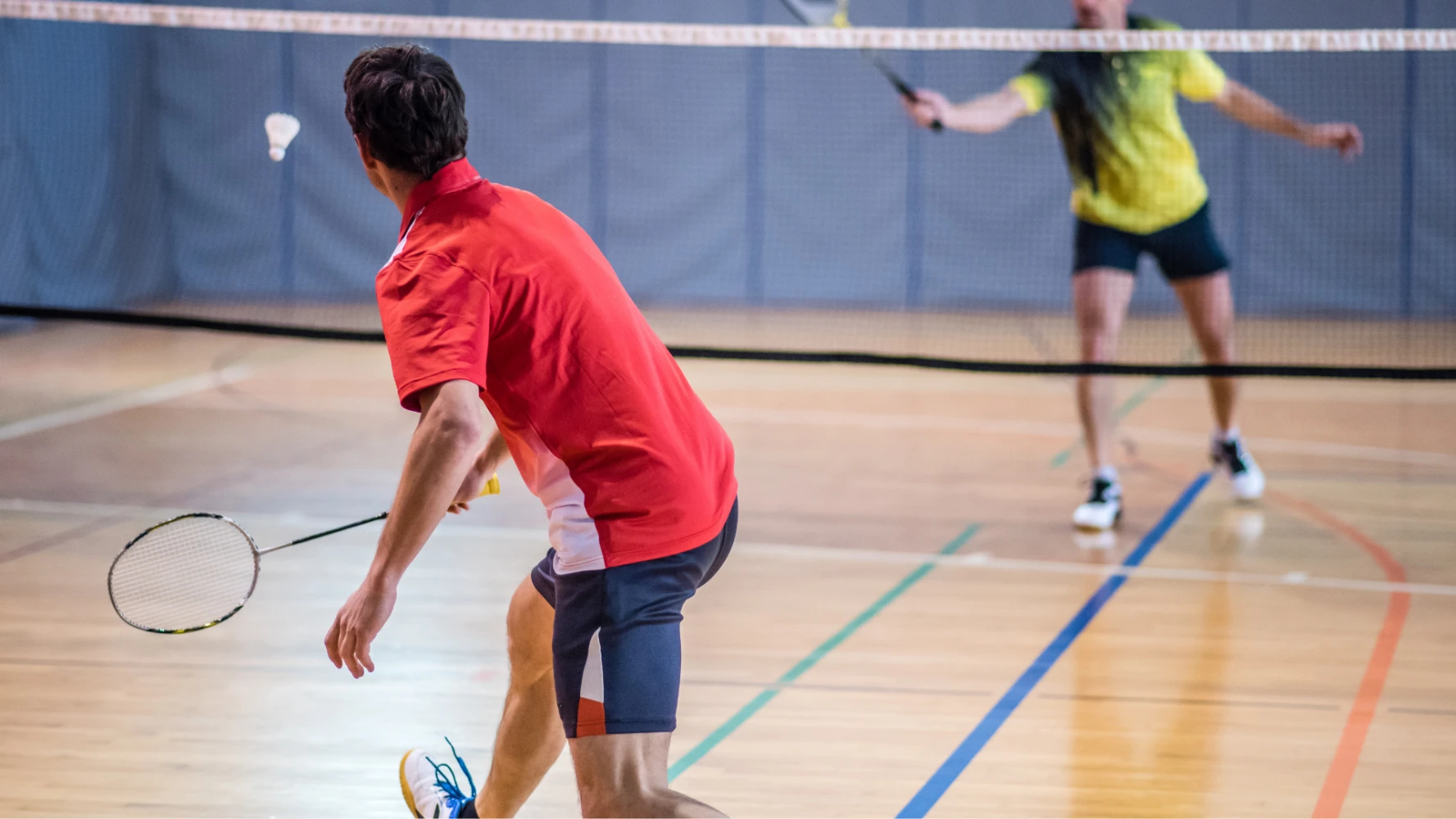
In badminton, a serve does not allow you to win a point outright as in tennis. Yet, it constitutes the very first tactical move of a rally. Often mistakenly viewed as a simple way to put the shuttlecock into play, it is actually a formidable weapon used to deny the opponent the initiative and force them to lift the shuttlecock from the opening stroke. Between strict regulatory constraints and precise tactical choices, mastering the serve is what separates casual players from seasoned competitors.The regulatory framework: Height limits and banning excessive spinsInternational governing bodies h
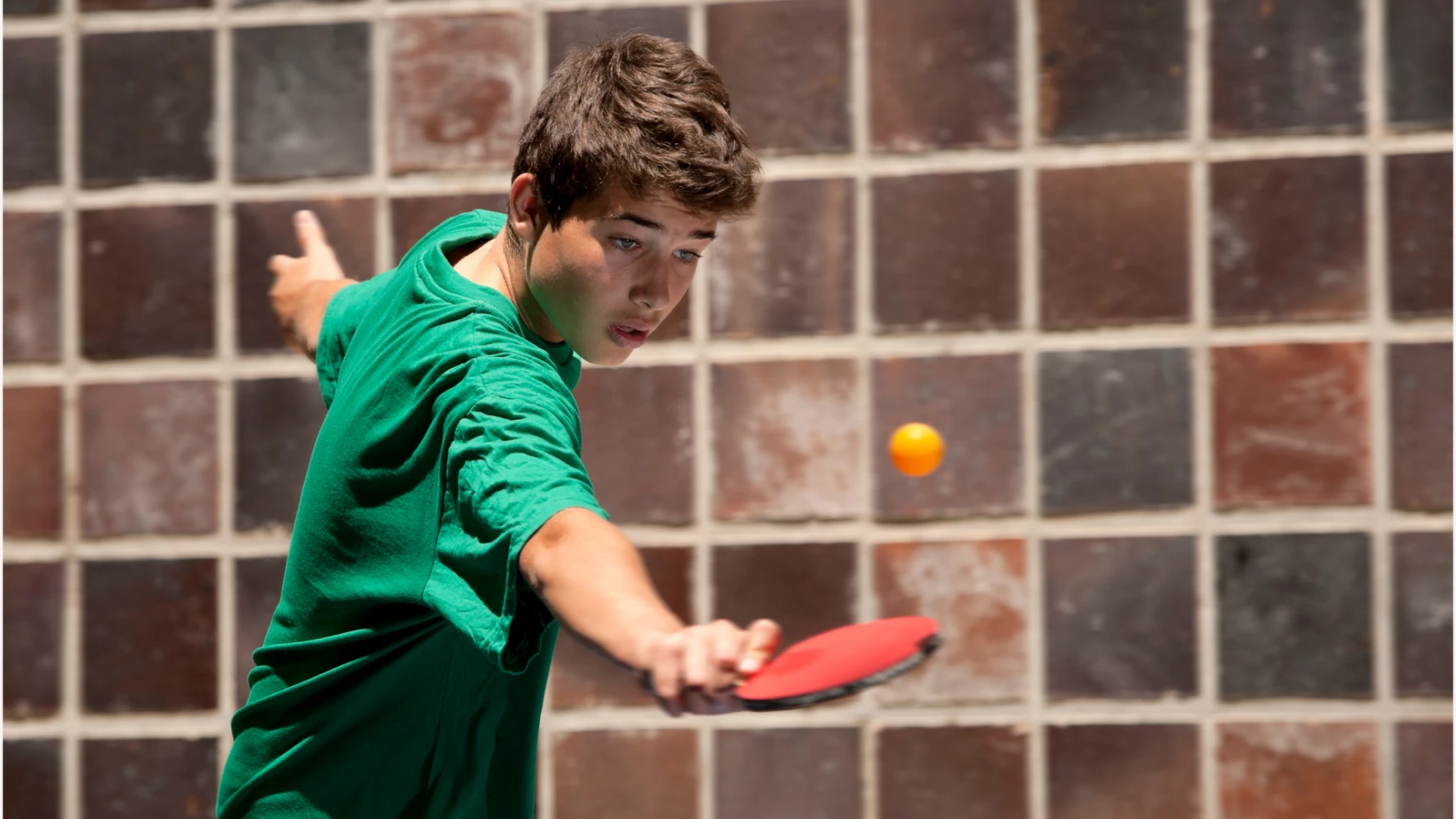
Table tennis has permanently buried the era of long defensive rallies from the back of the court. On today’s global circuit, the sport has mutated into a lightning-fast combat discipline. Driven by players capable of launching devastating attacks in the very first fraction of a second and constant risk-taking, modern ping pong has entered the age of hyper-offense.Ultra-early ball taking: stealing the opponent's timeThe most striking evolution in the game lies in the timing of the strike. Gone are the days of waiting for the ball to drop after the bounce before preparing a stroke.Playing at the
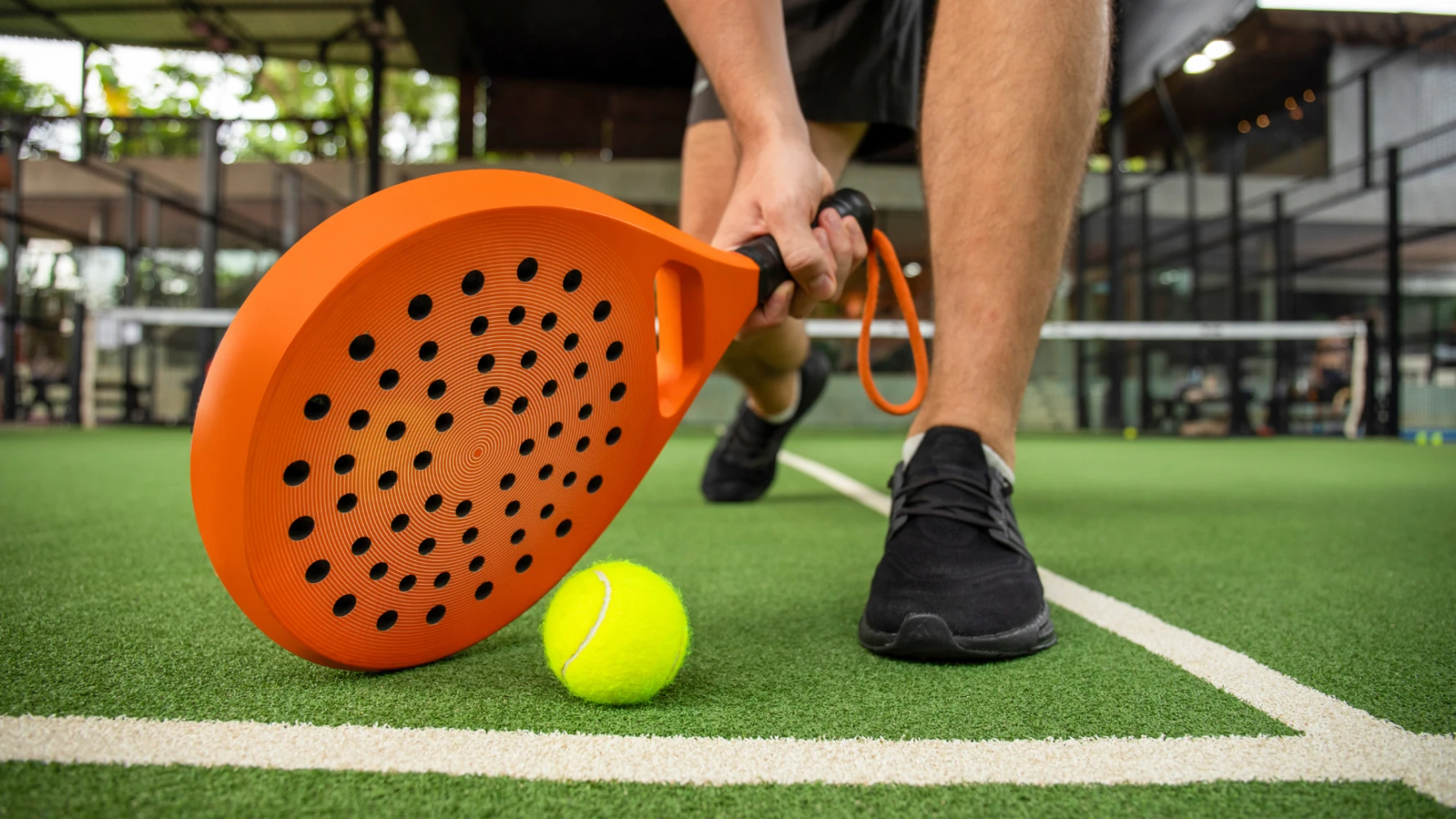
Padel has won over millions of players thanks to an enticing promise: you can have fun from the very first minute, even without any prior racket sport experience. With a compact court, glass walls that keep the ball in play, and rallies that build quickly, the initial learning curve is lightning-fast. However, this effortless accessibility hides an insidious trap: a rapid plateau in messy play, where brute force replaces tactical subtlety.The beginner's illusion: when hitting hard replaces strategyBecause it is easy to send the ball back over the net, many players quickly settle into a technic
In a busy daily routine where time has become a luxury, balancing professional life, personal demands, and physical activity often feels like an uphill battle. Traditional gyms can lack excitement, and classic racket sports require two-hour slots that are hard to free up. This is where squash enters the scene, quietly establishing itself as the undisputed champion of physical efficiency: the perfect racket sport for an express session.45 minutes flat: the formidable efficiency of squashForget the heavy logistics of outdoor sports or the endless wait to book a padel court during peak hours. Squ
It is tempting, after a few months of practice, to turn to the equipment used by professional players. We often think that a faster racket, with very dynamic rubbers, will compensate for our technical flaws. Yet, in most cases, this change has the opposite effect: you lose precision, make more unforced errors, and ultimately stall. Here is why it is often better to stick with equipment suited to your actual level.The illusion of "automatic" speedA very fast racket has sponges that expel the ball much harder as soon as it makes contact with the surface. If your stroke is not perfectly repeatabl
Many padel players mistakenly believe that the net is the perfect place to unleash all their power. By trying to end the rally with fast volleys, they often end up giving their opponents easy balls. At the net, your real goal is not to hit hard, but to maintain pressure. For this, the depth of your volley is a much more decisive leverage than its speed.The trap of the fast volleyWhen looking for pure speed in a volley, you mechanically reduce your margin for error. A hard-hit ball often arrives with a horizontal trajectory which, if not perfectly placed, easily returns to the player at the net
The kick serve is an interesting tactical option for securing your second serves or varying trajectories. Unlike a flat serve, it relies on a pronounced topspin that causes the ball to bounce high after hitting the ground, making the opponent's return less comfortable. This movement requires some practice to coordinate the toss, body positioning, and racket action. Here are the key steps to build this shot.The principle of the kick serveThe kick serve relies on high ball rotation. The idea is to brush the back of the ball from bottom to top, ideally in a trajectory from 7 o'clock to 1 o'clock
We are constantly told that repetition is the key to learning. In squash, this rule can be a trap. By repeating the same movement over and over, the brain eventually goes into standby mode and fatigue takes over. The result: you aren't perfecting your technique; you are training your nervous system to reproduce a clumsy compensation. This is what is called "signal degradation."When the brain goes into standby modeThere is a fundamental difference between conscious repetition, which engages neuroplasticity, and automatic repetition. After a few dozen shots, the player stops "searching" for the
Pickleball has a unique advantage: an extremely open and connected global community. Going on a training camp is no longer just about technique; it is an opportunity to discover a destination from a new perspective, integrating into the local culture through the game.Choosing between the all-inclusive "Resort" and the authentic "Club"Depending on your goals, the travel experience varies radically:The Resort (Comfort & Leisure): Ideal if you want to combine pickleball with a holiday with family or friends. The facilities are often high-end, with coaches available on-site. This is the "zero
In Beach Tennis, the court is both your best ally and your worst enemy. Unlike traditional tennis, sand is an unstable surface that absorbs your energy instead of returning it. To perform well and avoid rapid exhaustion, managing your footwork is particularly important.Ground anchoring: priority number oneOn sand, sliding is not your goal—it is your constraint. To stay solid:Widen your base: Always keep your feet wider than shoulder-width apart. This lowers your center of gravity and increases your lateral stability.Bend more: Your knees must be constantly bent. If your legs are straight, you
Tennis is a comprehensive healthy sport; however, over time, joints become more sensitive to repeated impacts and sudden changes of direction. To transform your passion into a sustainable practice, adopting a smart approach is essential. The key does not lie in reducing your activity, but in adapting it to limit mechanical wear.The Warm-Up: The Essential Ritual for LongevityWith age, joint lubrication takes more time. A rushed warm-up is the leading cause of injuries among senior tennis players. Systematically dedicate 15 to 20 minutes to a progressive start. Begin with a cardio warm-up, then
The art of the dynamic startEverything begins with the split-step, that small preparatory jump that allows you to gather information on the shuttlecock's trajectory. The classic mistake is starting with flat feet. For an explosive lunge, your first step must be oriented toward the destination zone as soon as you land from the jump. The more precise your first step, the less distance you will have to cover with your final lunge.The mechanics of a successful lungeA mastered lunge relies on a perfect balance between propulsion and control. Land your front foot starting with the heel, then roll do
In squash, positioning and technique are essential, but it is often the mental game that tips the scale in tight matches. Here is how to strengthen your mindset so you no longer succumb to pressure.Erase the Mistake ImmediatelyAn error on an easy shot often leads to a spiral of frustration. Apply a simple rule: give yourself two seconds to analyze your mistake, then forget it instantly. Your concentration must be 100% focused on the next serve. What is done is done; only the upcoming ball matters.Create Your Own TimeoutsSquash does not allow official timeouts, but you can create small recovery
In 2026, the overall level of pickleball has significantly increased. To destabilize opponents who are increasingly solid in defense, it is becoming necessary to integrate more technical shots into your repertoire. The Erne and the ATP (Around The Post) are two aggressive options that allow you to finish the point by intelligently using the court boundaries.The Erne: Bypassing the Non-Volley ZoneThe Erne involves hitting a volley while positioned outside the lateral boundaries of the court, next to the kitchen. This allows you to hit the ball much closer to the net without committing a foot fa
With the return of sunny days this May 2026, the Beach Tennis season is officially underway. Whether you are a beginner or a regular player, choosing the right racket is crucial, as materials have evolved significantly in recent years to offer more comfort and precision.Material Choice: Carbon or Kevlar?In 2026, the market is mainly divided into two major families of materials for racket frames and faces.Carbon (3K, 12K, or 18K): This is the choice for power. The higher the number (like 18K carbon), the stiffer the racket. It is an ideal material for offensive players looking for fast ball exi