

While tennis requires demanding technique and padel imposes sustained physical intensity, pickleball has carved out a place of its own. Its global appeal is not just due to simple rules or modest setup costs: it stems above all from its deeply social and intergenerational nature.
Leveling the age gap: when tactics beat physicality
In pickleball, sheer power and running speed do not guarantee victory. Because of the lightweight perforated plastic ball and the smaller court size, the game relies primarily on anticipation, positioning, and reflexes.
This technical feature radically shifts the dynamic on the court. It is one of the few sports where a teenager, a seasoned player, and a senior can compete or team up in a perfectly balanced match. The age gap vanishes in favor of finesse and tactical rallies, allowing everyone to find their spot.
The "Social Club" culture and park spirit
Pickleball's DNA, directly inherited from American public parks, fosters conviviality. Unlike sports where courts are rigidly booked by closed duos, pickleball has popularized rapid rotation systems and open play.
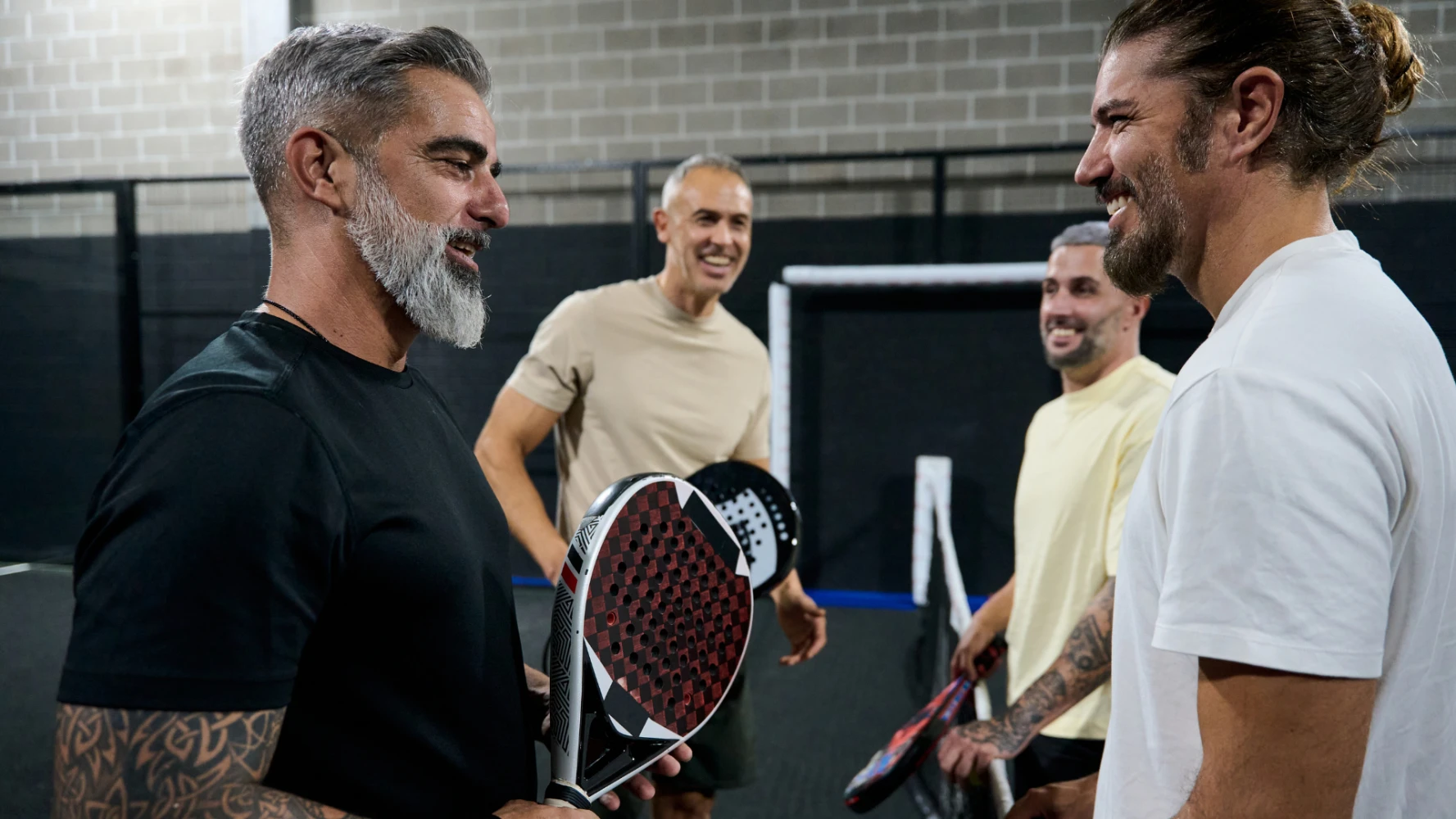
At the same facility, players mix, rotate, play with strangers, and share a drink after the game. This relaxed atmosphere breaks the ice much faster than in traditional sports. For many urban players, the pickleball club serves as a new social third place.
An inclusion lever for municipalities and clubs
For sports facilities and cities, this inclusivity is a major asset. Pickleball attracts demographics that had abandoned tennis courts or felt left out by the pace of padel:
Families: A family sport par excellence where parents and children share the same playing field.
Active seniors: A dynamic activity that boosts cardio and coordination without putting stress on the joints.
In short, if pickleball is growing so fast, it is because it reinvents connection through play. It reminds us that racket sports can above all be a shared space, accessible to everyone, regardless of age or athletic background.
Comments