

In tennis, unlike many other ball sports, the court is alive. The texture of the ground modifies the height of the bounce, the speed of the ball, and the way the player moves. To understand the soul of each surface is to understand the history and diversity of this sport.
Clay: The Land of Endurance and Sacrifice
Clay (embodied by Roland-Garros) is undoubtedly the most physically and mentally demanding surface. It is a slow surface where the ball bounces high. It "grips" the topspin, which makes direct winning shots more difficult to achieve.
The Play: Here, tennis becomes a game of chess. Exchanges are long, and you must build your point with patience. It is the kingdom of the slide, where the player uses the ground to brake their run.
The Spirit: Clay demands total humility. You must accept that the ball keeps coming back and be ready to suffer for hours.
Grass: The Elegance and Speed of "Real" Tennis
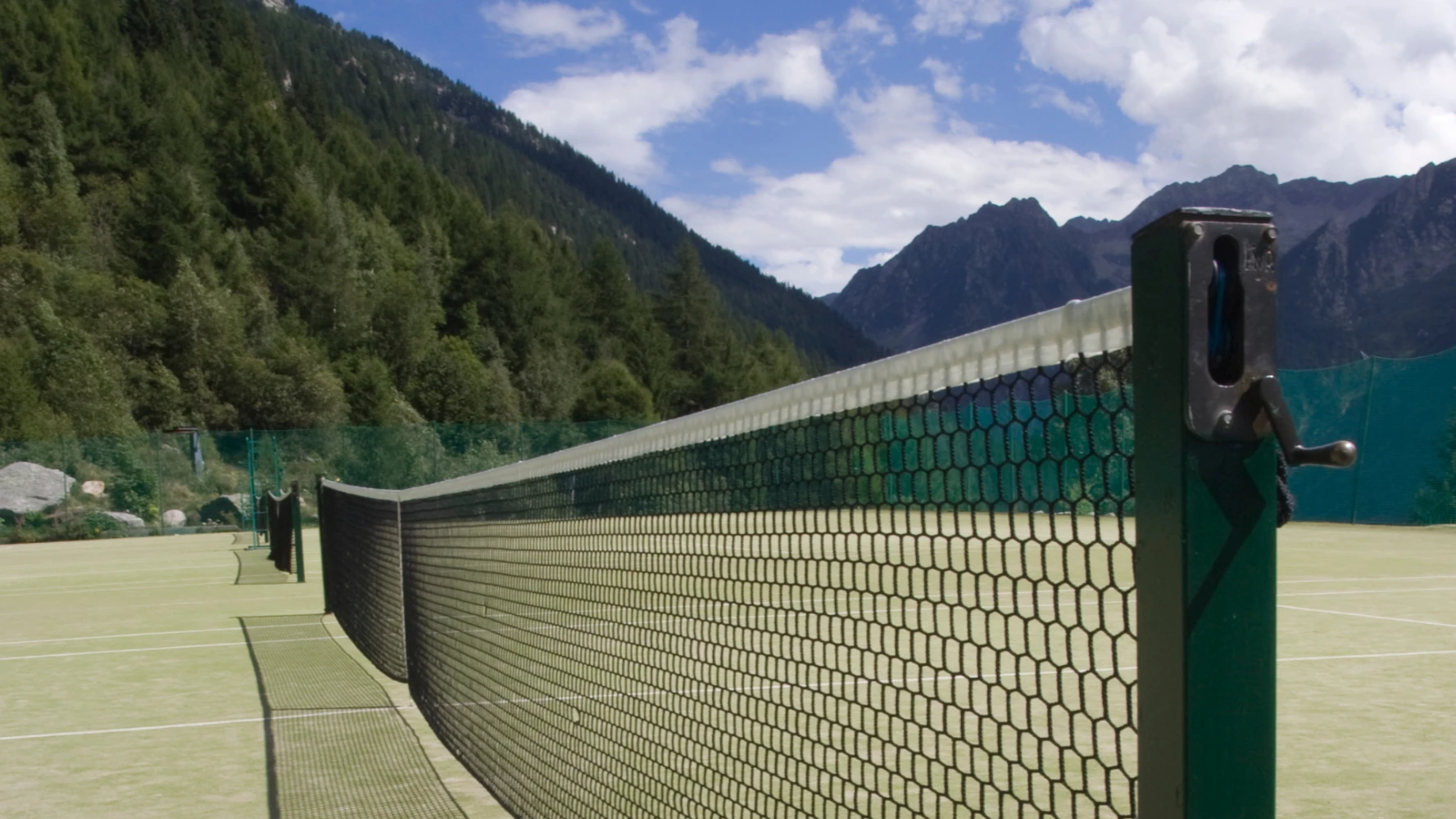
Grass (Wimbledon) is the original surface, that of traditions. It is a fickle court that requires cat-like reflexes. The bounce is very low and the ball literally skids after impact. It is the fastest surface on the circuit.
The Play: Reaction time is reduced to its minimum. Serve and volley are kings here. Exchanges are short, electric, and the slightest hesitation is fatal. Placement must be millimeter-perfect because the footing is slippery.
The Spirit: Grass embodies a form of nobility and spontaneity. You don't build the point; you seize it on the fly.
Hard Court: The Truth of Modern Tennis
Synthetic or "hard" surfaces (US Open, Australian Open) represent the perfect balance and the standard of current tennis. The bounce is clean, regular, and predictable. It is an honest surface: what you give to the ball, it gives back to you exactly.
The Play: This is the terrain for baseline hitters. Hard courts favor a powerful game based on timing and the repetition of violent efforts. However, it is also the most traumatic surface for the joints due to the absence of sliding.
The Spirit: Hard court is pure performance. It is the terrain where physical strength and technical precision express themselves without a filter.
Conclusion: A Sport of a Thousand Faces
What makes the beauty of tennis is precisely this permanent transition from one soul to another. A champion is only complete when they manage to tame these three elements: the patience of clay, the vivacity of grass, and the power of concrete. Each surface tells a different story, and each victory has a unique flavor.
Comments