

Whether it is defending a low ball in padel, covering the T in squash, lunging for a drop shot in badminton, or returning a serve in tennis, the speed trigger is exactly the same: the split-step (or recovery footwork). This slight lightening jump, performed on the balls of the feet just before the opponent strikes, separates the players who chase the rhythm from those who always seem to have time to set up. Yet, most amateur players time it incorrectly or forget it entirely as soon as the rally accelerates.
The classic trap: Continuous running and late anchoring
The most frequent mistake is running continuously between shots or, conversely, remaining planted on your heels while waiting to see where the ball goes. Without a split-step, the calf and quadriceps muscles remain passive the moment visual information reaches the brain. The player then experiences a latency period: they must first bend their knees to initiate a push-off before they can start moving. On a badminton court, at the kitchen line in pickleball, or across from a table tennis table, that lost tenth of a second makes the ball unreachable.
The mechanics of the split-step: Timing over amplitude
The split-step is not a high jump, but an elastic tension load. It acts like a compressed spring ready to instantly release energy in any direction.
Synchronization with the opponent's hit The visual cue is absolute: your feet must leave the ground slightly as the opponent initiates their swing, landing on the balls of your feet at the exact moment the ball (or shuttlecock) leaves their racket. Land too early and you freeze again. Land too late and you get caught off-balance mid-air.
Stance width and center of gravity
Stance width: Feet should land slightly wider than shoulder-width to ensure a stable base and prevent the torso from tipping.
Heel relaxation: Body weight rests exclusively on the forefeet, heels lifted a few millimeters off the ground, knees unlocked.
Adapting recovery footwork by surface and sport
While the biomechanical principle remains identical, split-step execution adjusts to the constraints of each discipline:
Ultra-fast sports (Badminton, Squash, Table Tennis): Vertical amplitude is virtually zero. It is a sharp, low micro-bounce that allows continuous direction changes every half-second.
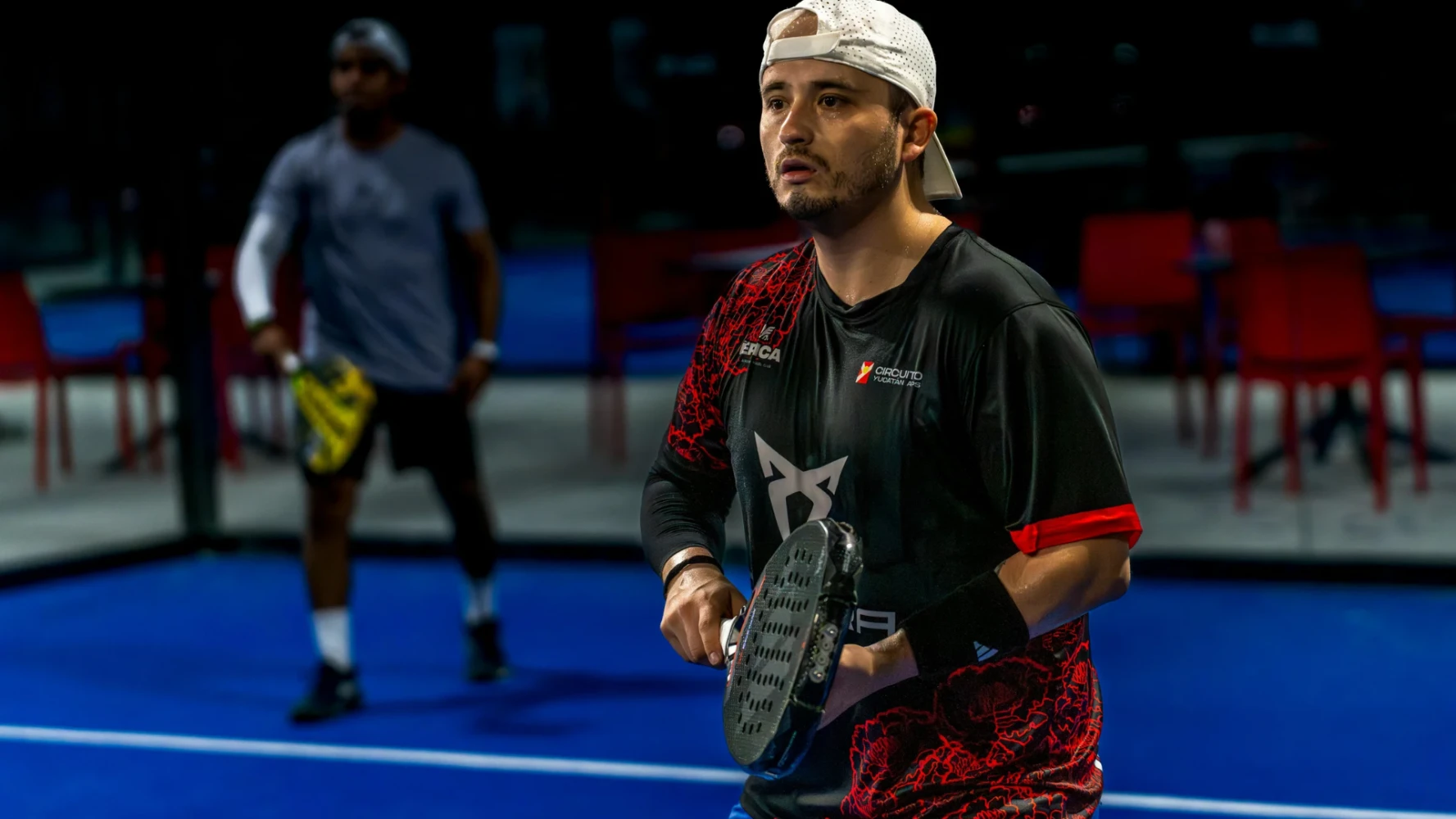
Volley and transition sports (Padel, Pickleball): The split-step serves as an emergency brake. When moving up to the net, it allows you to stop your forward run instantly the moment the opponent hits, preventing lobs or passing shots through your momentum.
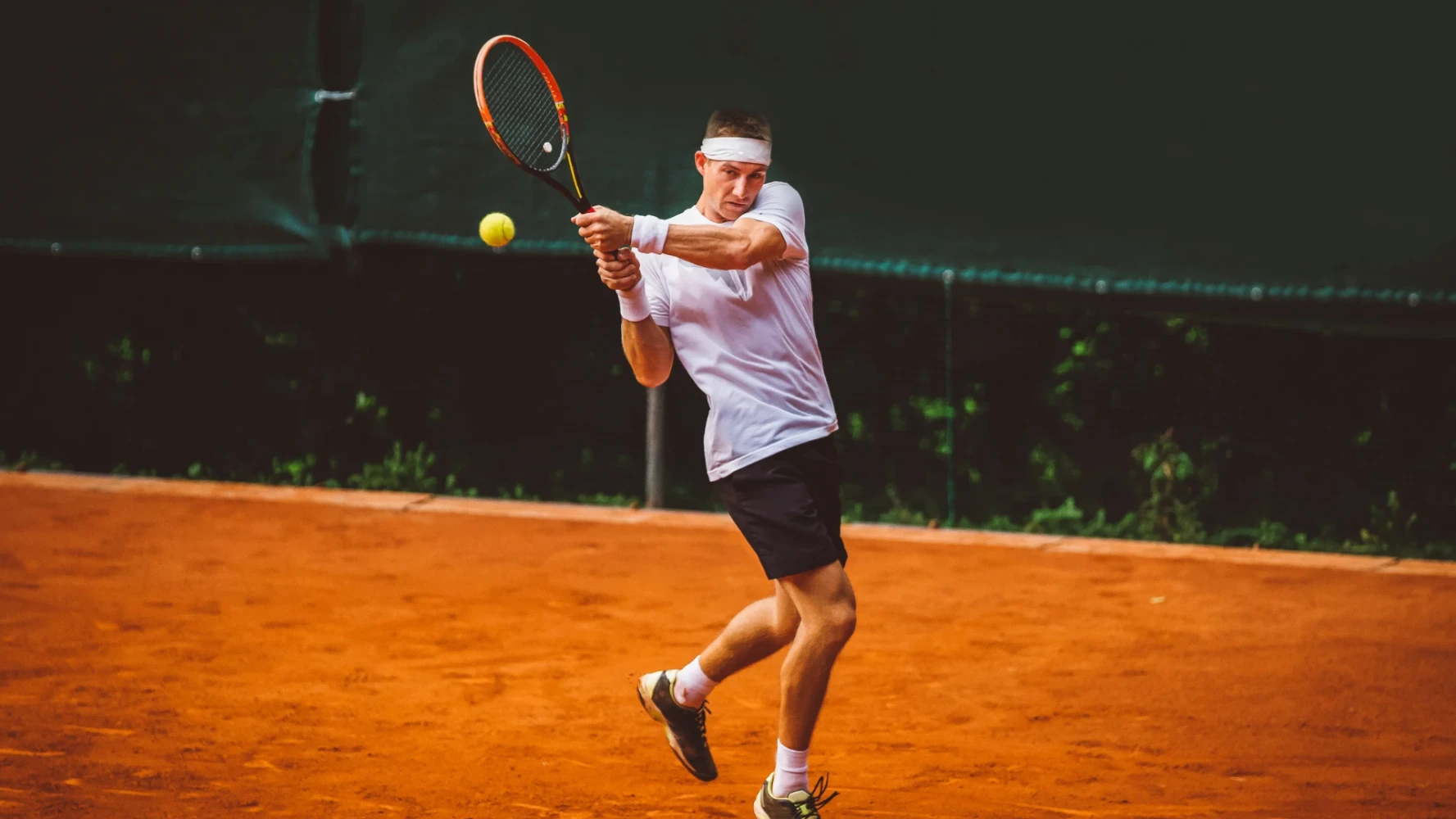
Unstable surfaces (Clay, Beach Tennis): On clay, the split-step locks the footing before triggering a controlled slide. On beach tennis sand, where energy is absorbed by the ground, the jump must be slightly more dynamic to pull feet out of the sand and avoid sinking.
Three simple drills to automate the movement
To integrate this footwork without having to think about it during a match:
The sound cue in practice: During a consistency rally, force yourself to make a slight sole noise on the floor at the exact moment you hear the opponent's racket impact. The ear often helps calibrate rhythm better than the eye.
Paired net work: In padel, tennis, or pickleball, position yourself at the net facing a partner feeding random volleys. Force yourself to execute a split-step before every shot, even on easy balls coming directly at you.
The mandatory stop rule when moving forward: During practice, forbid yourself from hitting a volley while running. As soon as the opponent arms their shot, lock your stance with a split-step, play the ball, then resume your advance.
Conclusion: The invisible foundation of movement speed
Running faster on a court doesn't just come from athletic training, but from the quality of your launch. By systematically syncing your split-step with your opponent's strike, you eliminate dead time in your footwork. This cross-disciplinary reflex, valid on all surfaces and with all rackets, transforms your game reading and grants you that decisive fraction of a second to strike in balance.
Comments